
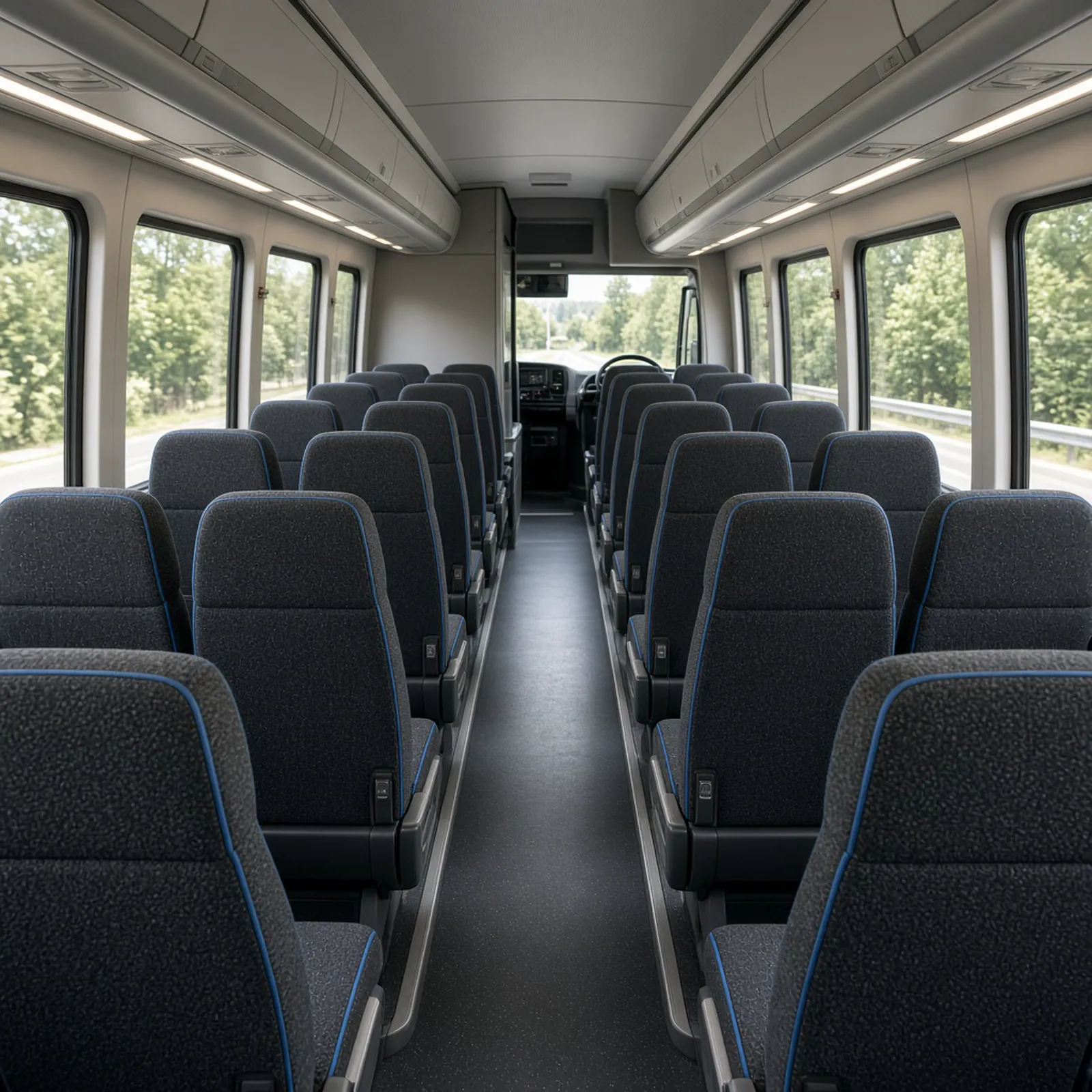
28 Passenger Shuttle Bus
Capacity: 28 passengers
“The 28 passenger shuttle bus suits church groups, senior communities, and clubs of 20 to 25 taking a day trip: a…”
View Details →Seats up to 30 · shuttle bus
Is a 30 passenger shuttle bus enough, or do you need a bigger bus or two smaller ones? Honest sizing, access, and cost-splitting advice for Chicago groups.
Pickup ZIP, date, headcount, and hours get you one written total with the driver, fuel, taxes, and gratuity included.
Quick answer
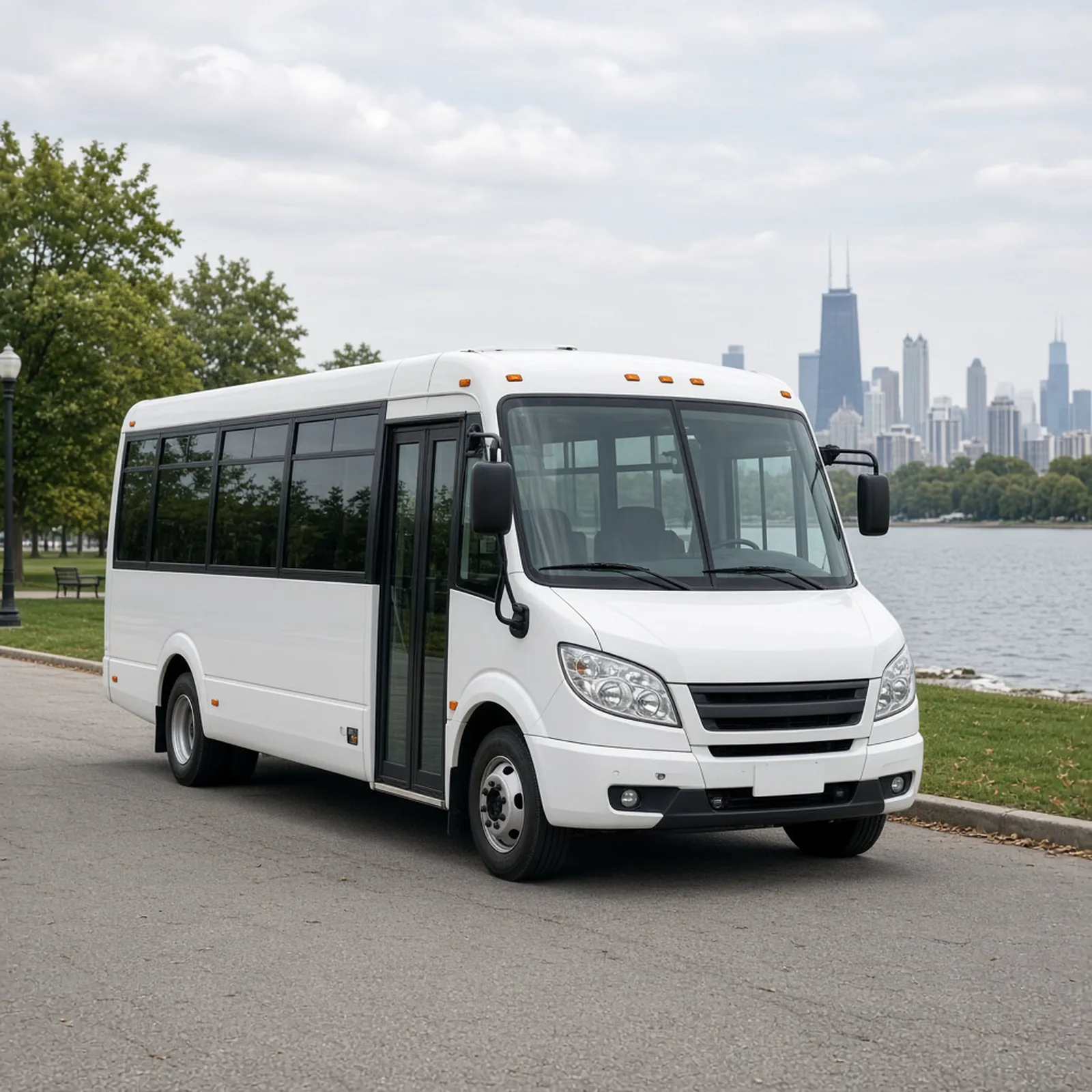
The 30 passenger shuttle bus is for groups of 24 to 28 that want to stay in one vehicle. It is also a decision point: near 30, you should price a larger shuttle, a motorcoach, or two smaller buses alongside it. The thing to check is how firm your headcount is, since there is no standing room.
Thirty is a threshold number. Below it, a group books a shuttle bus without much debate. Above it, organizers start weighing several quite different options, and a 30 passenger shuttle bus in Chicago sits right on that line. If your list has 26 names and is closed, this is an easy and economical choice. If it has 29 names and someone's cousin is a maybe, this page is mostly about what to compare it against.
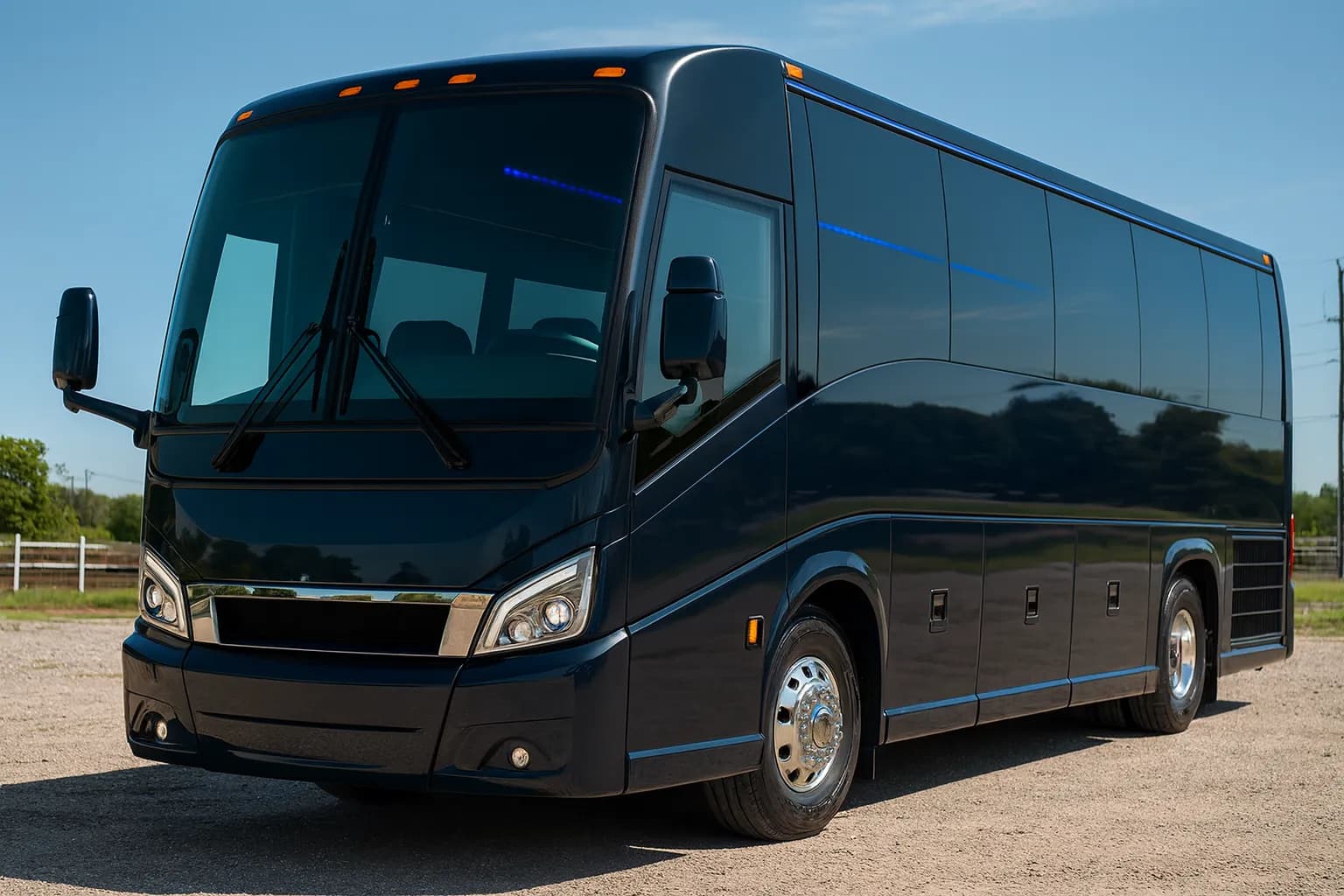
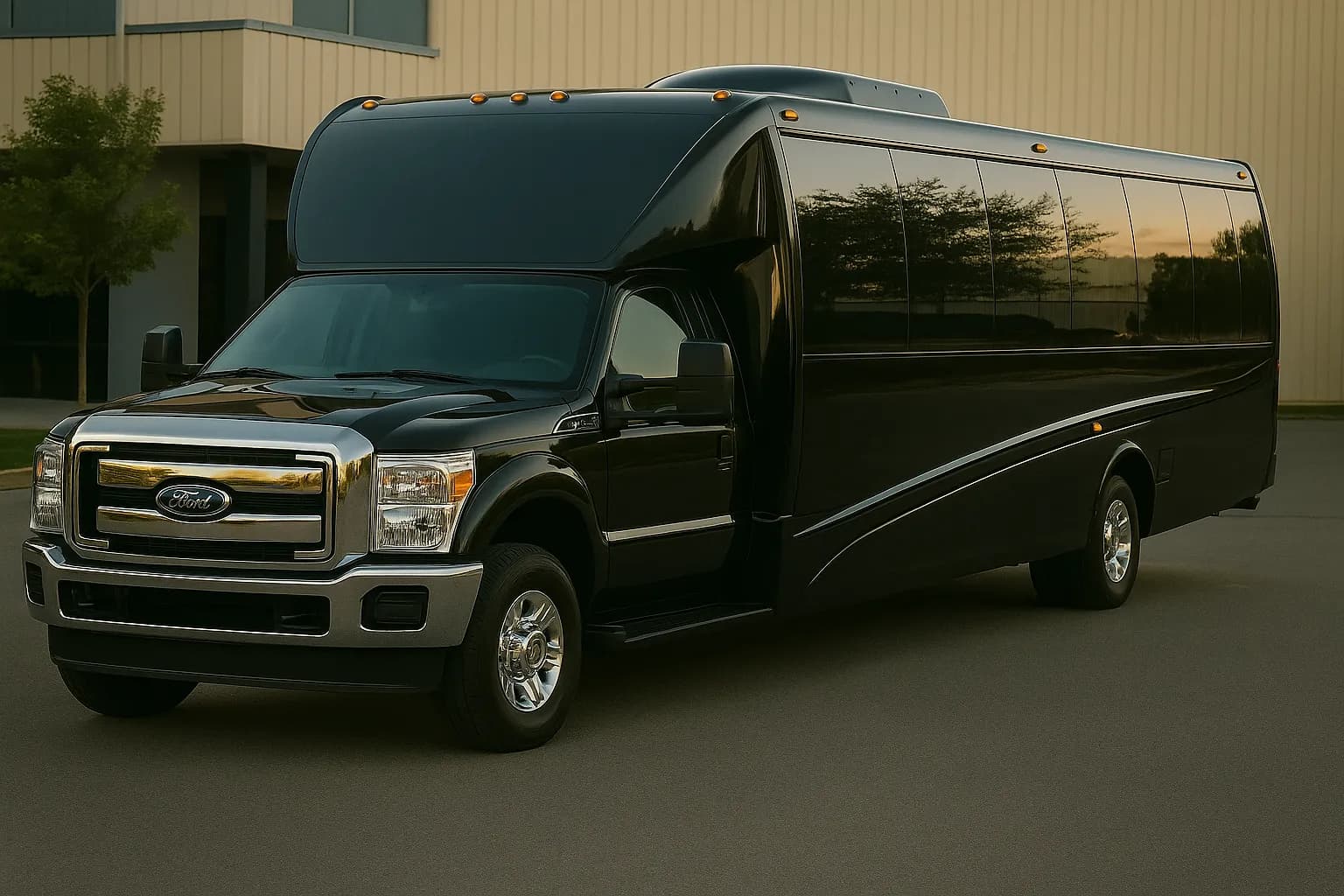
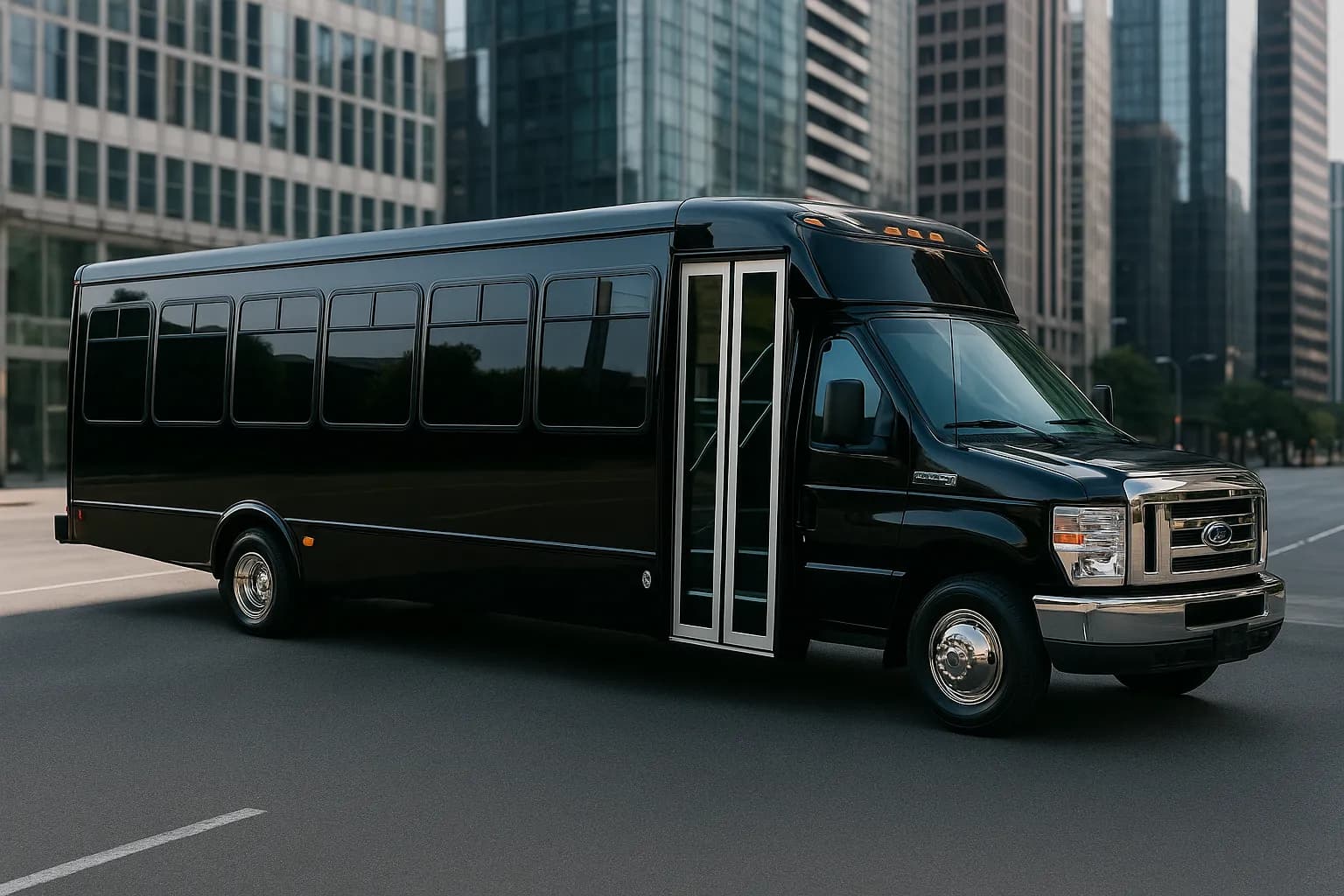
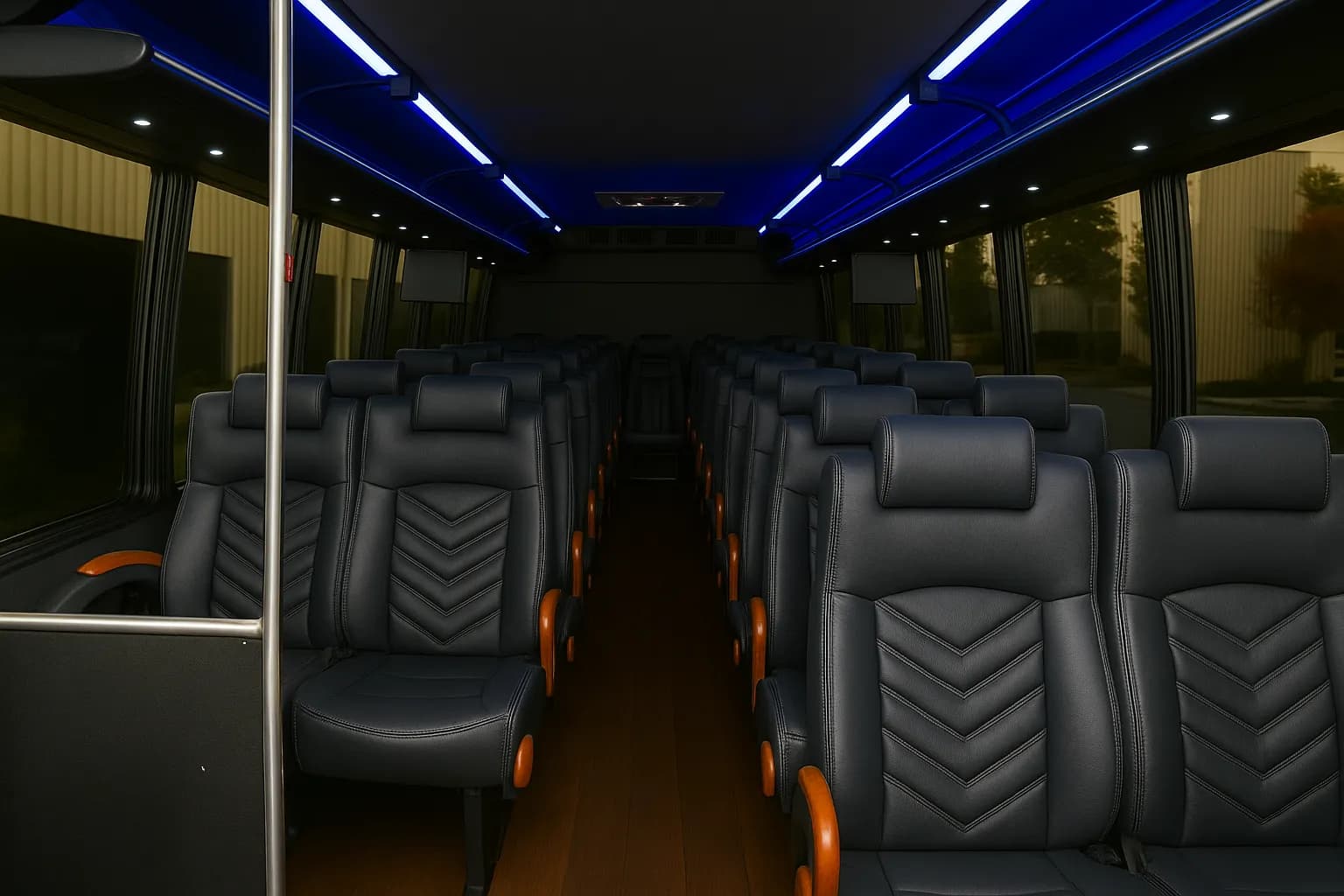
The vehicle itself is the largest of the mid-size shuttles: forward-facing high-back seats in pairs, a full-length center aisle, large windows, a wide front door, and rear or overhead storage for day bags and a modest amount of luggage. It rides and handles more like a small coach than a van. Loading thirty people takes six to eight minutes through a single door, a detail worth remembering when you schedule tight connections.
One step down, the 28 passenger shuttle bus is practically interchangeable for groups under 25. One step up, the 32 passenger shuttle bus begins the next tier of larger shuttles, which run to 46 seats. And if the thirty people in question are celebrating rather than commuting, such as a 30th birthday, a fantasy football draft, or a bachelor party, the 30 passenger party bus is the vehicle built for that kind of trip.
Group sizes near a round number are estimates more often than counts. Thirty usually means the organizer stopped counting, and the true figure on the day will be 26 or 33. Both directions cause problems, and the second is worse.
If you book 30 seats and 26 show up, you have paid for a slightly larger bus than needed, and everyone has elbow room. If you book 30 seats and 32 show up, two people are not riding. Capacity is a hard limit. No one stands, no one shares a seat, and a driver will not move the bus while over capacity.
Groups this large are less common than you might think, which is partly why organizers have little practice sizing them. In our booking network's national inquiry data, only about 4% of quote requests with a passenger count were for 31 to 40 people, and even among those, only 56% asked for a vehicle in the 31 to 40 seat range. A good share were still hoping to squeeze into something smaller.
So firm up the list before you choose. Collect commitments, and ideally money, by a deadline a week or more before the trip. If the number lands at 27 or fewer, book this bus with confidence. At 29 or 30, read on. The group size calculator will give you a recommended seat count with a sensible buffer.
When your headcount brushes 30, there are three realistic alternatives.
A larger shuttle. A 34 passenger shuttle bus or 36 passenger shuttle bus keeps everyone together with a margin for late additions. The cost difference between adjacent sizes is often modest, since the driver, the hours, and the fuel are nearly the same. This is the right answer for most groups.
Two smaller shuttles. Two 16 passenger shuttle buses cost more than one 30, because you are paying two drivers and two hourly minimums. They earn it in three situations: pickups in two different places, such as Evanston and Oak Lawn; a venue or residential street that cannot take a longer vehicle; or a group that naturally divides, with half leaving early.
A motorcoach. If the ride is long, or there is serious luggage, a 48 passenger coach bus offers under-floor bays, reclining seats, and usually a restroom. It costs more per hour, so it suits a run to Galena, Indianapolis, or Milwaukee better than a crosstown hop.
The vehicle comparison tool puts these side by side, and any of them can be added to one quote request so that you can compare real numbers for your date.
A 30 seat shuttle is noticeably longer than the 16 to 20 seat models, and in the city that shows up in specific ways.
Residential pickups. Narrow one-way streets in Lincoln Park, Lakeview, and Wicker Park with cars parked on both sides leave little room to stop without blocking traffic. A pickup on the nearest arterial, such as Clark, Halsted, or Damen, is faster for everyone. In the suburbs, cul-de-sacs and streets with landscaped islands may be too tight to turn around in; meeting at a school, church, or commuter lot is the easy fix.
Hotels. Some downtown porte-cochères handle a bus this size and others do not, because of canopy height or turning radius. Ask the hotel where group buses load.
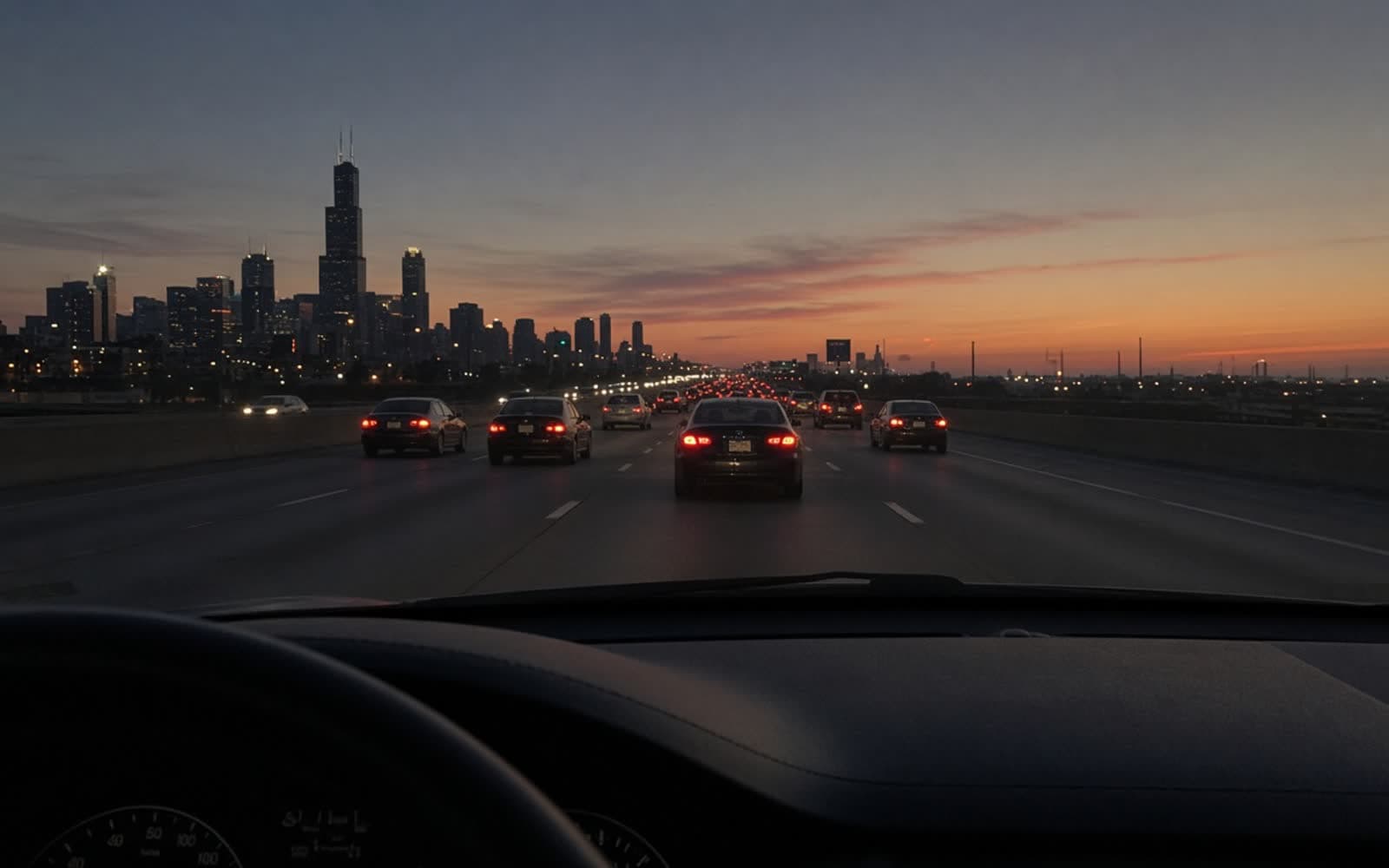
Low clearances. Lower Wacker Drive and a number of older railroad viaducts around the city have height restrictions. Drivers plan routes around them, so the bus may not follow the route your phone shows.
Stadium and festival days. Street closures around Wrigley Field, Soldier Field, the United Center, and Grant Park change access for buses considerably. Check the venue's current bus instructions and pass them along.
For a sense of drive times between your stops, the route time estimator is a good starting point. Tell us about any gates, docks, or tight turns at your addresses when you request the quote.
The appeal of filling a bus this size is that the per-person share gets small. A charter is priced by the hour, with a minimum number of hours that is longest on Saturday evenings, in prom season, and around the holidays. Whatever that total is for your date, dividing it by 27 riders produces a far friendlier number than dividing a smaller vehicle's total by 12.
Two cautions keep the math honest. First, divide by the number of people who have paid, not the number who said they are coming. Collect up front, and set the share assuming two or three dropouts, so the organizer is not left covering empty seats. Second, read the quote for what is included. Fuel, tolls, parking, and gratuity are handled differently from one reservation to the next, and the written quote lists them along with what the assigned vehicle includes.
Larger groups tend to plan further ahead, which helps. In our network's data, only 17% of inquiries for 31 to 40 passengers came in under two weeks before the event, against 26% across all group travel. Weddings also figure prominently at this size, making up 22% of identified occasions for those larger groups compared with 12% overall, so fall Saturdays are contested. Run your numbers in the budget calculator, and request a quote once your list is firm.
Our booking-network data
Numbers from quote requests across our booking network that involve mid-size groups and shuttle bus requests. They are a useful reality check on timing and group size before you lock in a 30-passenger vehicle.
1%
vs 28% across all inquiries
21%
vs 26% across all inquiries
18%
vs 12% across all inquiries
5%
vs 54% across all inquiries
Source: 65,687 group-transportation inquiry records with 2024–2025 event dates, collected across the national booking network that Chicago Party Bus Fun is part of. These are quote requests — not completed trips, unique customers, or Chicago-only figures. How we measure this
Twenty-seven relatives gather at a commuter lot in Orland Park and ride together to a university commencement in Joliet, avoiding campus parking. The bus drops at the designated gate, stages off site, and returns ninety minutes after the ceremony for dinner in New Lenox.
Read the planning guide →Guests staying at hotels in Northbrook and Glenview are collected in a single run, fourteen at the first stop and thirteen at the second, for a lakefront ceremony in Highland Park. The return leaves at 10:30 and reverses the order.
Read the planning guide →Twenty-eight employees leave an Elk Grove Village office at 4:30 for a weeknight game on the South Side, riding I-290 and the Dan Ryan. The group meets at a chosen landmark after the final out and walks to the bus together.
Read the planning guide →A supper club of twenty-six spends a Sunday afternoon eating through Pilsen, Chinatown, and Little Italy, with arterial-street drop-offs at each stop and the driver staging nearby while the group walks to two or three places per neighborhood.
Read the planning guide →Size the group, pick the vehicle, set the hours, and split the cost before you ask for a quote.
One size up gives you elbow room; one size down trims the hourly cost. The closest matches to the 30 Passenger Shuttle Bus:
Capacity: 28 passengers
“The 28 passenger shuttle bus suits church groups, senior communities, and clubs of 20 to 25 taking a day trip: a…”
View Details →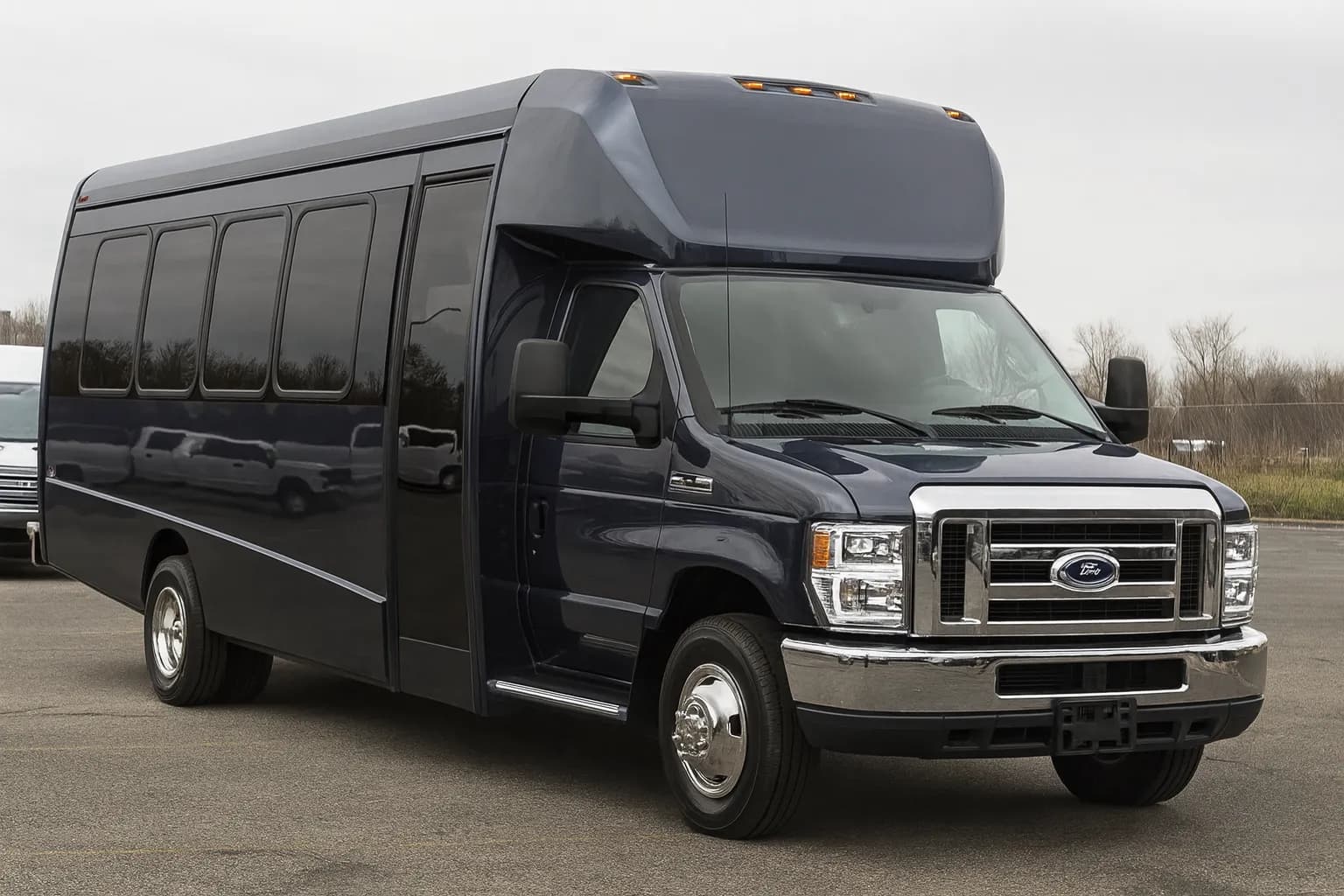
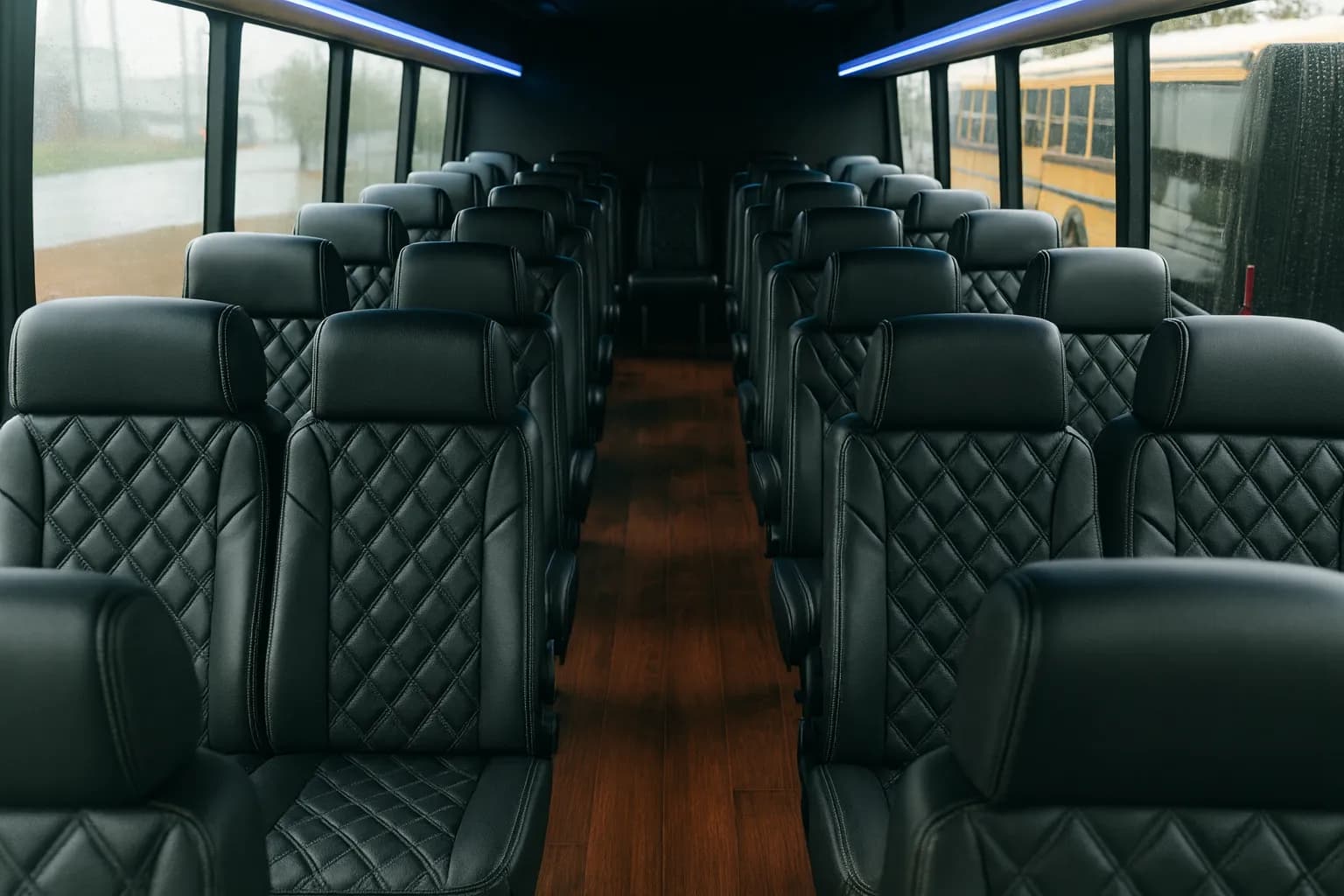
Capacity: 32 passengers
“A 32 passenger shuttle bus suits wedding couples and planners moving a hotel block of roughly 26 to 30 guests to a…”
View Details →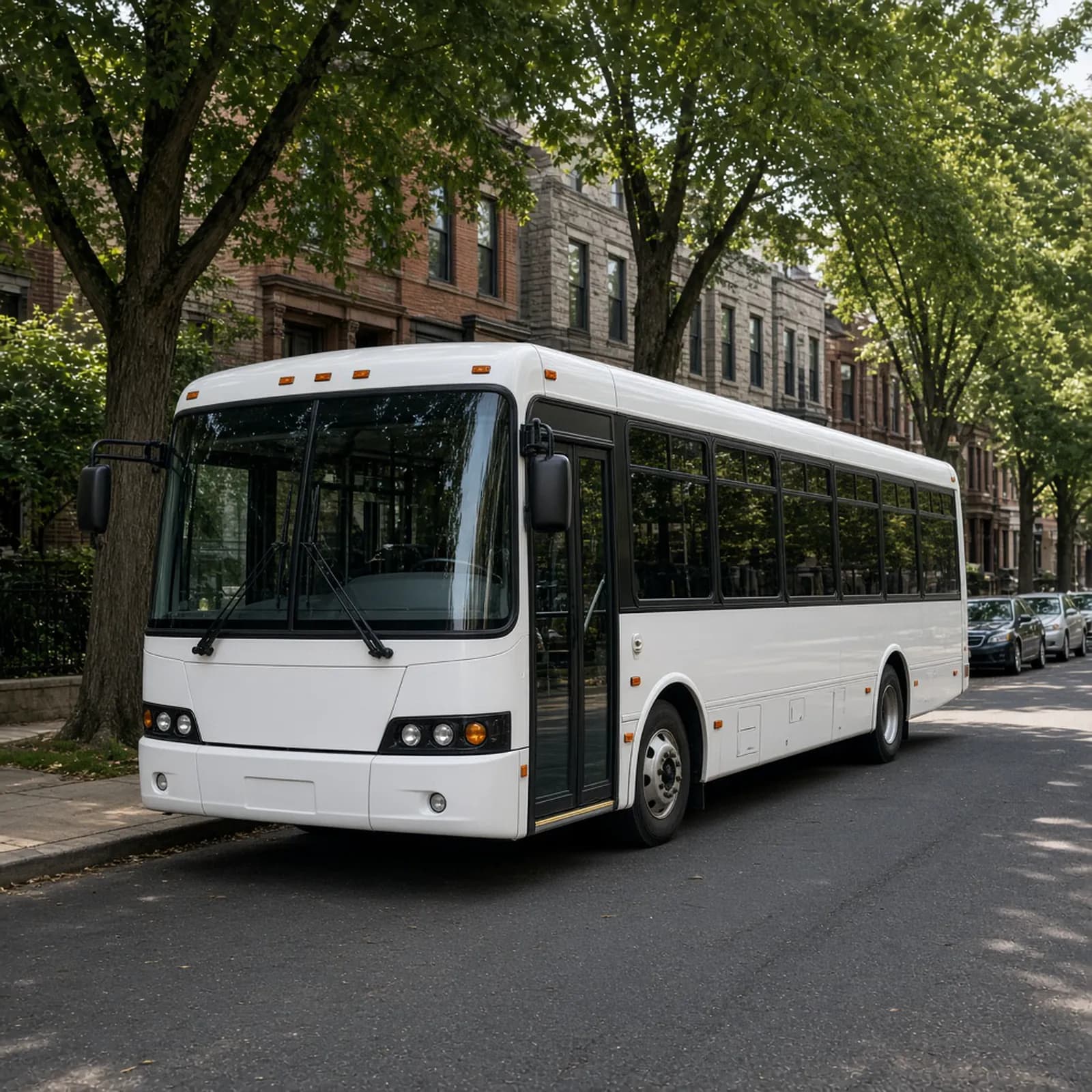
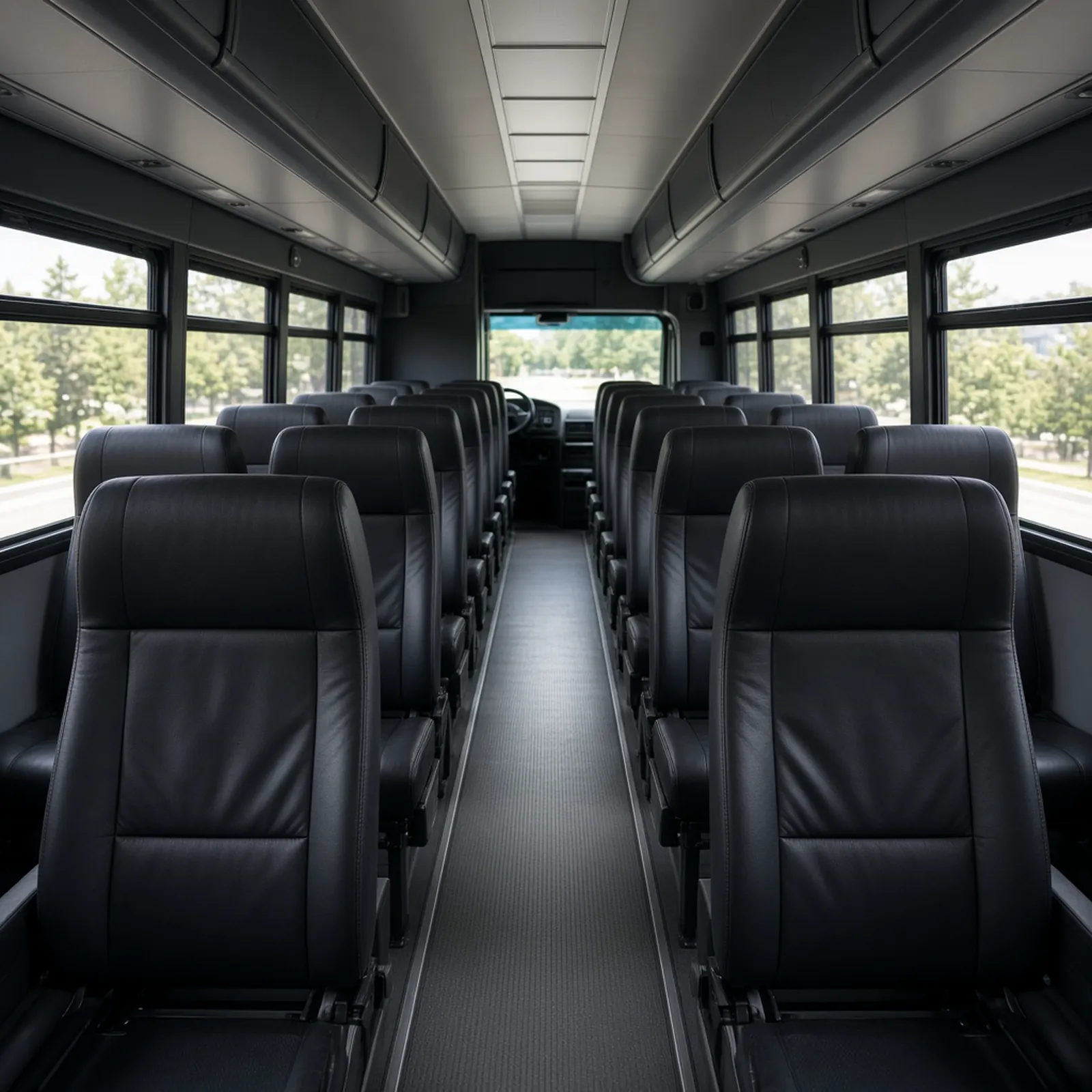
Capacity: 26 passengers
“The 26 passenger shuttle bus suits a corporate offsite of 20 to 24: a department heading from a suburban office to a…”
View Details →Shuttle Buses polls
Vote to see how other groups answered. One vote per poll, no sign-up, and nothing personal is stored.
No votes yet — be first
No votes yet — be first
No votes yet — be first
Straight answers from the Chicago booking desk
Tell us about your event and ask for a written quote. If your reservation is serviced by an affiliate or sister company, confirm vehicle, operator, base rate, minimum hours, and included charges with that provider before paying a deposit.