Get the paperwork moving before you pick a vehicle
The first group of tasks is the least interesting and the most likely to delay you. Many companies cannot pay a vendor until that vendor is set up in the accounts payable system. That can mean a W-9, a certificate of insurance naming your company, a purchase order number, and agreed invoice terms. Procurement can take two or three weeks at a large employer. If the operator needs a deposit by card and your policy requires a PO, you need to know that on day one, not the week of the event.
Ask finance exactly what they need and pass the list to the operator with your quote request. Ask the operator what they can supply and how long it takes.
The alcohol question belongs here too. Company policy may be stricter than the law or the operator's rules, and it may differ for the ride and for the venue. If alcohol is permitted at all, it is for adults 21 and over, subject to the operator's written policy and Illinois law, and the ride home is the reason many companies charter a bus in the first place. Decide early and put the decision in the invitation.
Headcount at corporate scale
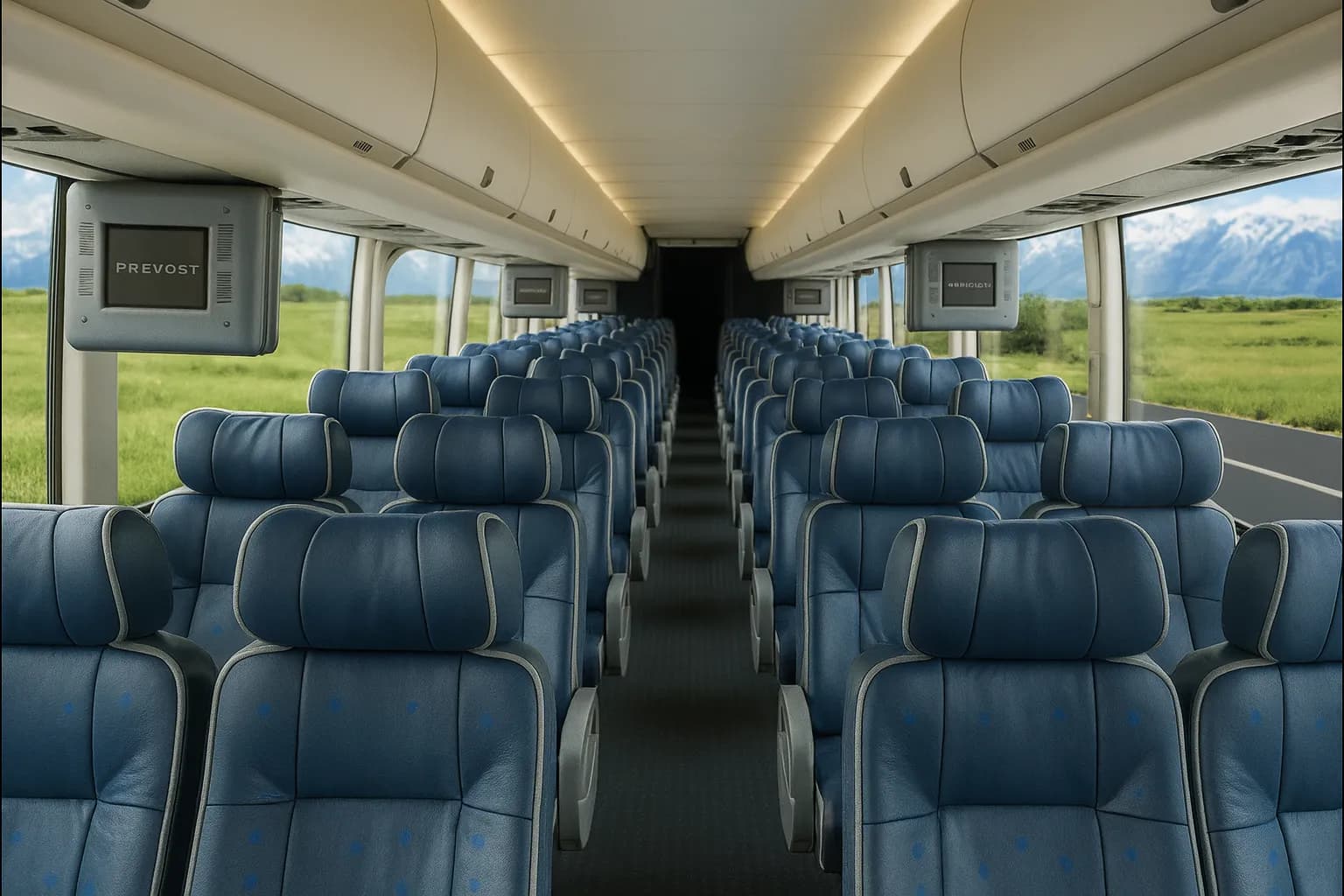
Social groups settle around 15 people. Company events regularly run past 40, and large groups are planned on a longer clock. Among inquiries for 56–100 passengers for 2024–2025 event dates in the national booking network this company belongs to, 45% were received 90 days to two years before the event, against 18% across the full dataset. Those are quote requests from around the country, not completed rides, but the message for a planner is clear: once you need more than one coach, start a quarter ahead.
The checklist asks for an RSVP deadline at least a week before the final count is due to the operator. Calendar invitations are not RSVPs. People accept and then do not come, or decline and then appear. A short form with a hard deadline works better, and it is the place to ask about mobility needs, which the list tells you to raise early because accessible vehicles are limited.
Past 56 riders you need multiple vehicles, and the question of who rides where becomes real. Splitting by office floor or team makes the headcount before each departure manageable. The group size calculator turns an invite list into a seat target, and the 56-passenger coach bus page shows what a full-size vehicle looks like.
Loop towers, docks, and the exact entrance
"List exact pickup and drop-off addresses, including which building entrance" sounds fussy until you have tried to load a coach outside a downtown office tower. Many Loop and River North buildings occupy a full block with entrances on two or three streets. Some of those streets have bus lanes, bike lanes, or no standing at any time. A few buildings have lower-level access off Lower Wacker Drive, which is confusing for anyone who does not use it daily. Your building's property manager or security desk usually knows where coaches have loaded before. Ask them, then give the operator the street and the door.
Venues need the same question. Convention facilities such as McCormick Place have designated bus areas and procedures. Restaurants and event lofts in the West Loop and Fulton Market often have none, and the streets are narrow and busy with deliveries.
Then test the drive, as the list says, on the same weekday and hour a week ahead. A 4:30 PM departure from the Loop to the northwest suburbs on the Kennedy is a very different trip from the same route at 2 PM. The route time estimator gives a starting figure, and the charter services page covers multi-vehicle moves.
Day-of discipline: manifest, headcount, hard departure
The last group of tasks is about control on the day. Send one itinerary, not a thread of updates. It should have times, addresses, the named on-site contact, and what to do if someone misses the bus. Give the operator two day-of phone numbers, because the organizer's phone will be on silent during the keynote at exactly the moment the driver calls about a blocked loading zone.
A printed manifest seems old-fashioned. It works when phones are dead, and it turns "is everyone here?" into a count against a list. Do the headcount before each departure, not only the first. The return trip is where people go missing, because some have left early by rideshare and nobody recorded it. The early-return option in the route section exists for that reason: if people have a sanctioned way to leave early, they tell you when they use it.
Set a hard departure time and say it out loud at the venue, as the list puts it. A bus held 25 minutes for stragglers can push the reservation into overtime, and that lands on your budget line. Afterward, write down what ran late. Most companies repeat the same offsite or holiday party each year, and those notes are worth more than any checklist.