Safe, fun transportation for your students' next adventure
School Field Trip Bus Rentals in Chicago
For a Chicago school field trip, size the bus for students plus chaperones, usually a 44 to 56 seat vehicle per one or two classes. Request quotes two to three months before spring dates. Check your district's carrier requirements first, confirm the museum's current bus drop-off instructions, and keep every trip alcohol-free.
Get Your Free Quote
Pickup ZIP, date, headcount, and hours get you one written total with the driver, fuel, taxes, and gratuity included.
Before You Ask for a Quote: What Your District Requires
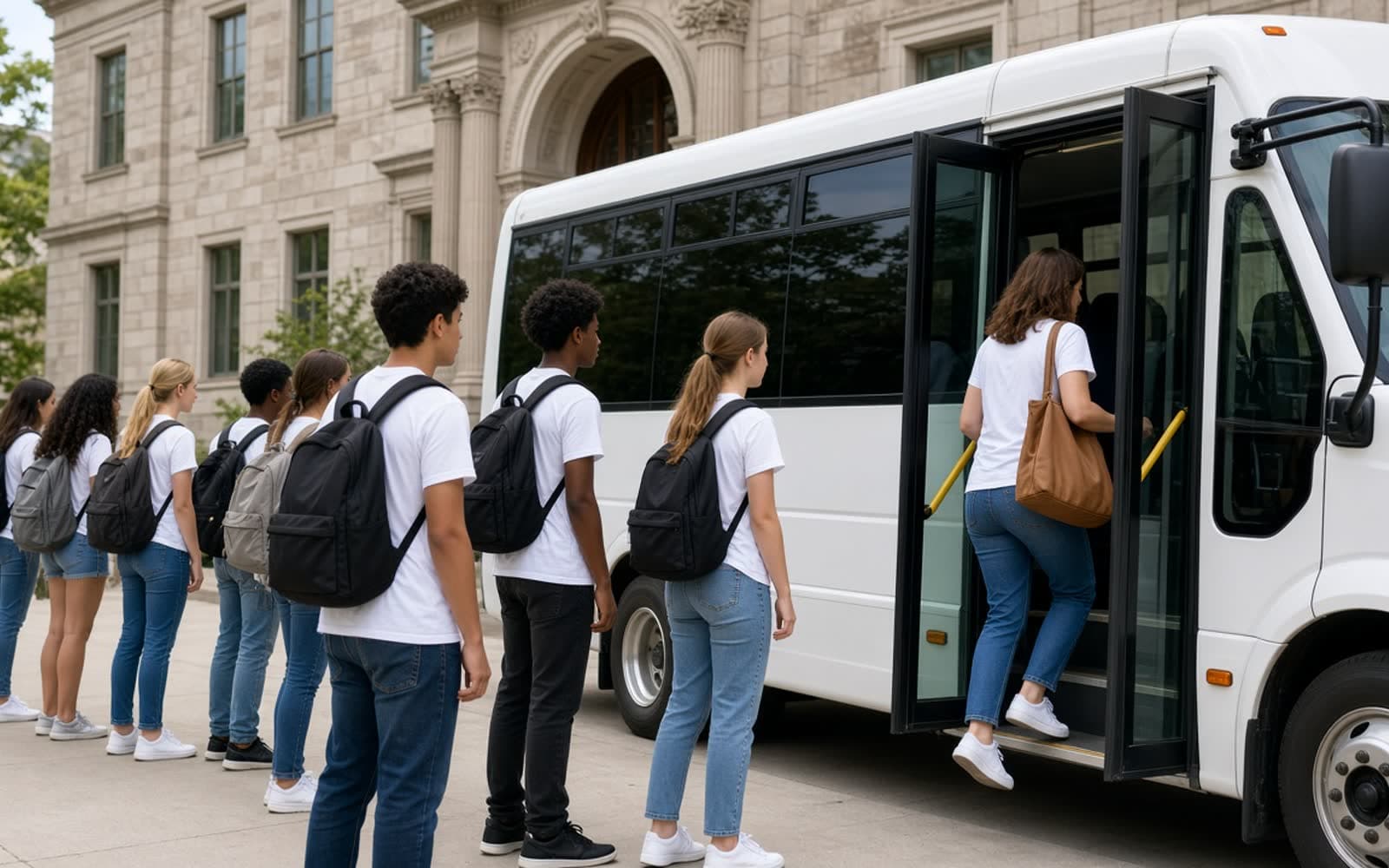
A school field trip bus in Chicago starts with paperwork, not a vehicle. Public districts, charter networks, and private schools each have their own rules about who may carry students: approved vendor lists, insurance certificates naming the school, contract language, and sometimes requirements about the type of vehicle. We cannot tell you what your district requires, and you should not rely on any transportation company to guess. Ask your business office or transportation coordinator, then send those requirements with your quote request so the operator can tell you whether it can meet them.
It also helps to be honest about when a chartered shuttle or motorcoach makes sense. For a short run to a nearby forest preserve, the district's yellow bus contract is usually the practical choice. A charter earns its place on longer days: a trip from the suburbs to the Museum Campus, a band or orchestra traveling with instruments, a senior class trip to Springfield or Milwaukee, a DC-bound group headed to O'Hare, or a return after 3:00 PM when the yellow buses are committed to regular routes. Motorcoaches have air conditioning, luggage bays, and often restrooms, which matter in June and on two-hour drives.
If you want details on driver qualifications or screening, ask, and have the answer confirmed with your written quote. The same goes for seat belts, which many newer coaches have and older vehicles may not.
Museum Campus, Hyde Park, and Zoo Drop-Offs
Chicago's big field trip destinations all host school buses constantly, and each has its own system. Because those systems change with construction, stadium events, and the season, confirm each museum's current bus instructions when you book your visit and pass them along to the dispatcher.
The Museum Campus holds the Field Museum, Shedd Aquarium, and Adler Planetarium on a peninsula shared with Soldier Field. Drop-off points are separate for each institution, and buses generally cannot wait at the curb, so they are sent to designated bus parking and called back. On days with a stadium event or a lakefront festival, access roads may be restricted. Ask the museum's group sales office what applies on your date.
The Museum of Science and Industry in Hyde Park sits at the south end of DuSable Lake Shore Drive, a noticeably longer drive from the north and west suburbs than the Museum Campus, so give that trip extra time. The Art Institute sits on Michigan Avenue, where a bus can only pause briefly. Lincoln Park Zoo is surrounded by park roads and residential streets, and Brookfield Zoo and the Morton Arboretum in Lisle have large lots that make them the easiest stops on this list.
Suburban options include the Illinois Holocaust Museum in Skokie, Kohl Children's Museum in Glenview, and Naper Settlement in Naperville. For any of them, get three facts: where to unload, where the bus parks, and where to reload.
Sizing for Students and Chaperones
Your school or district sets the chaperone ratio. Around one adult for every ten students is common for older grades, and ratios get tighter for younger children, often one to five or so in the early grades. Many museums publish their own minimum as a condition of the group rate. Apply whichever is stricter, then count everyone: a two-class trip of 52 students with six adults is 58 seats, which no longer fits one 56-passenger coach.
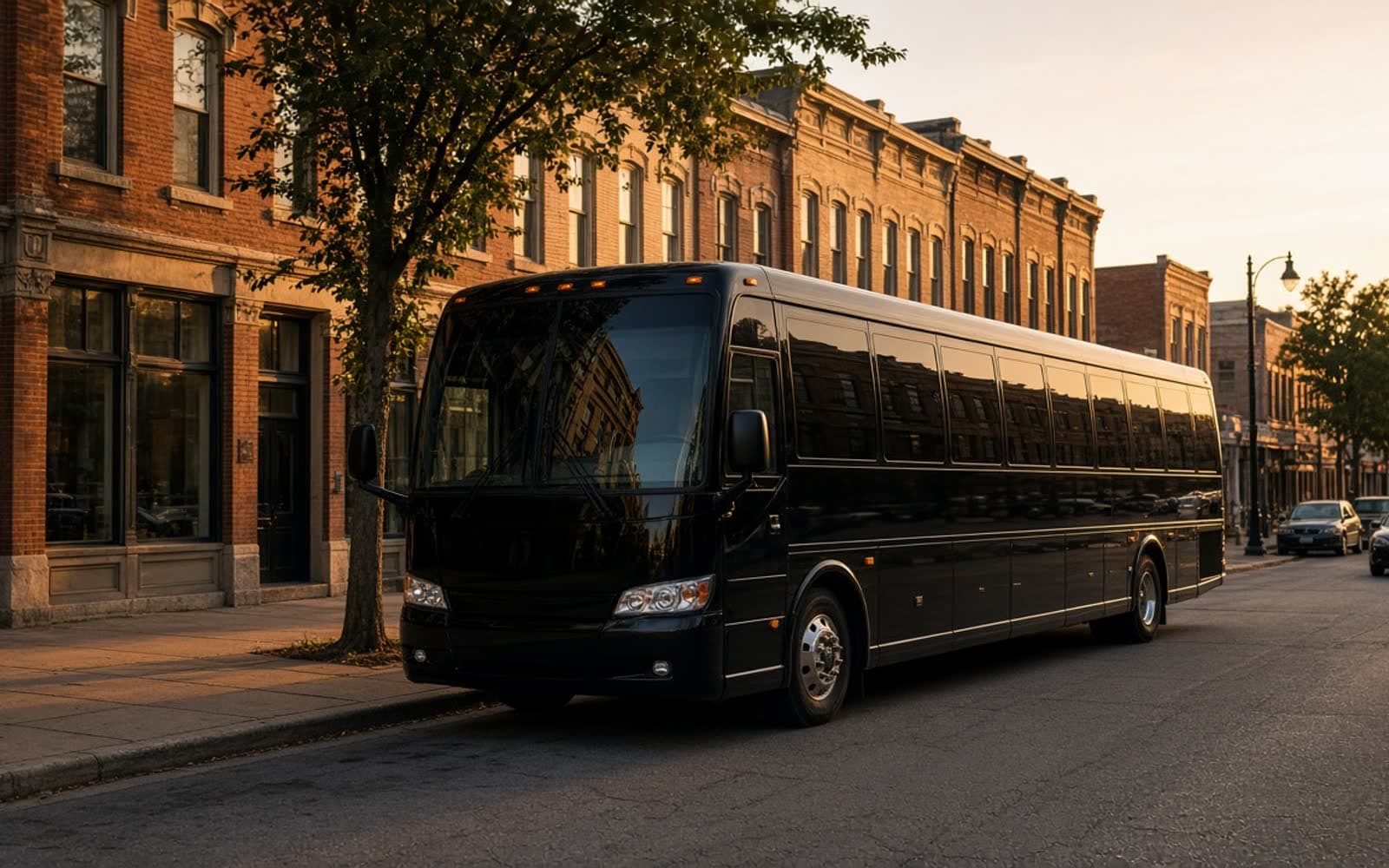
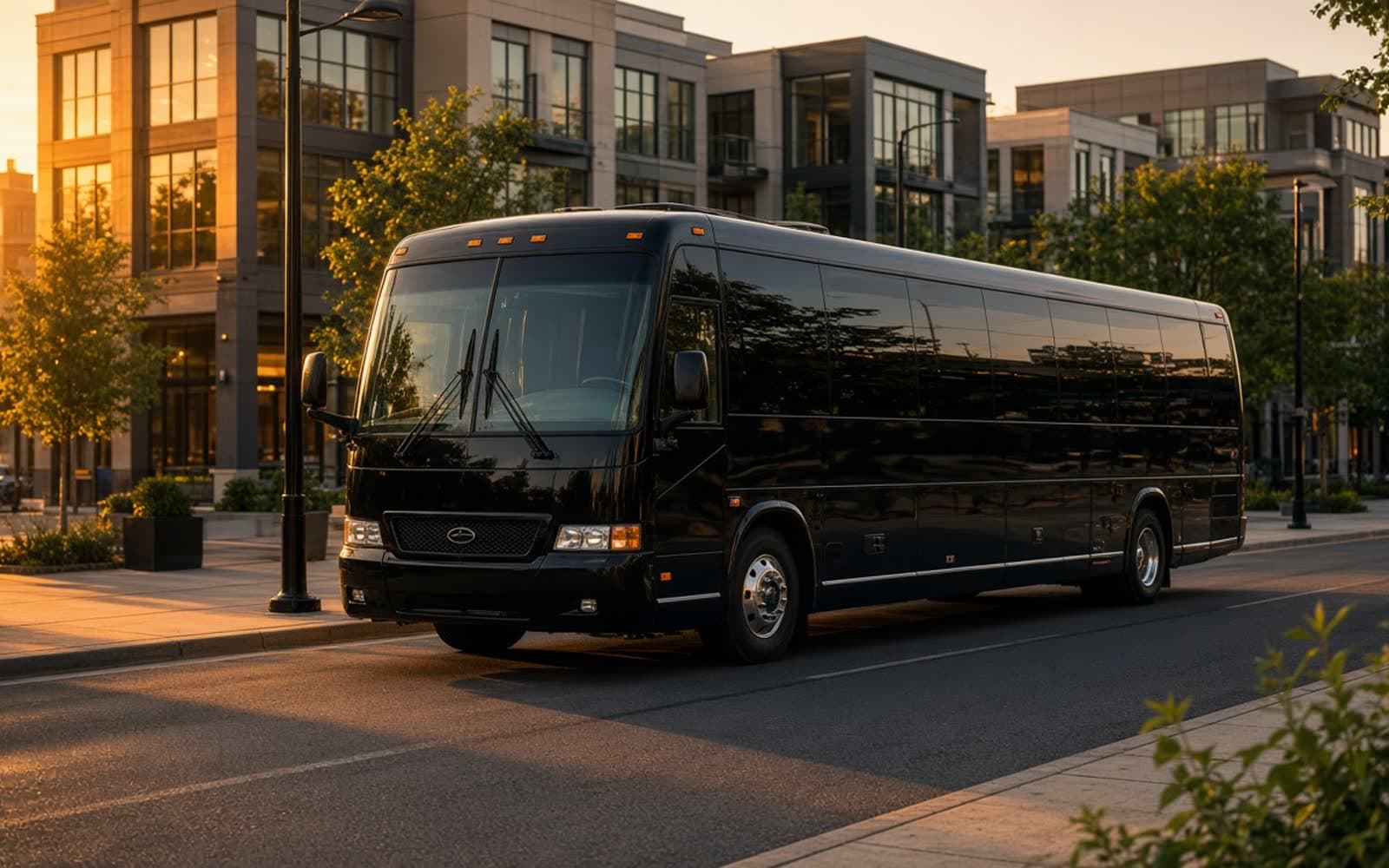
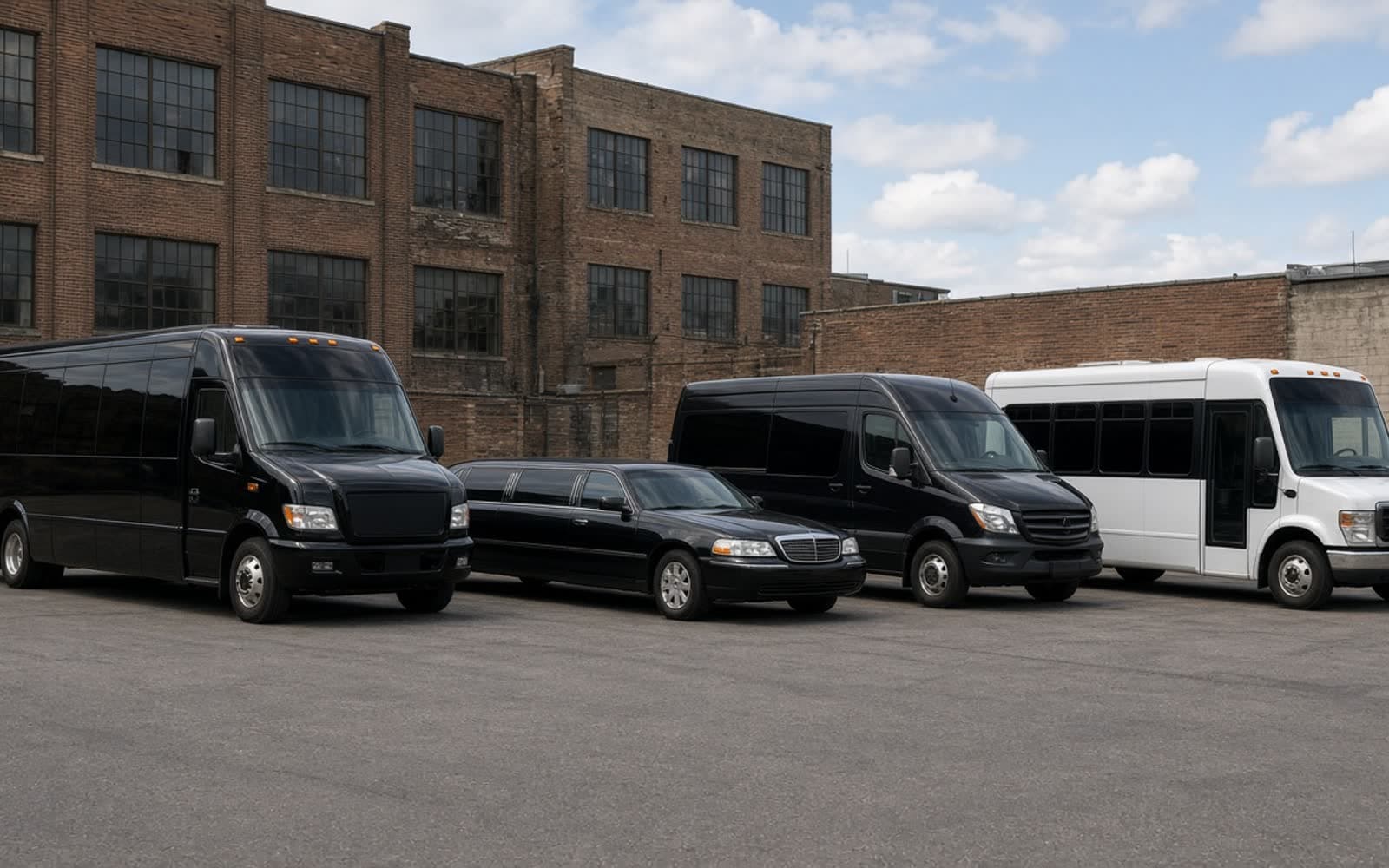
That arithmetic is where most field trip plans go wrong, so do it before requesting a quote. For a single class with chaperones, a 30-passenger shuttle bus is often enough. Two classes usually fit a 44-passenger shuttle bus or a 56-passenger coach bus. A whole grade level means two or three vehicles, each with its own roster and lead teacher. The group size calculator makes it easy to test the combinations.
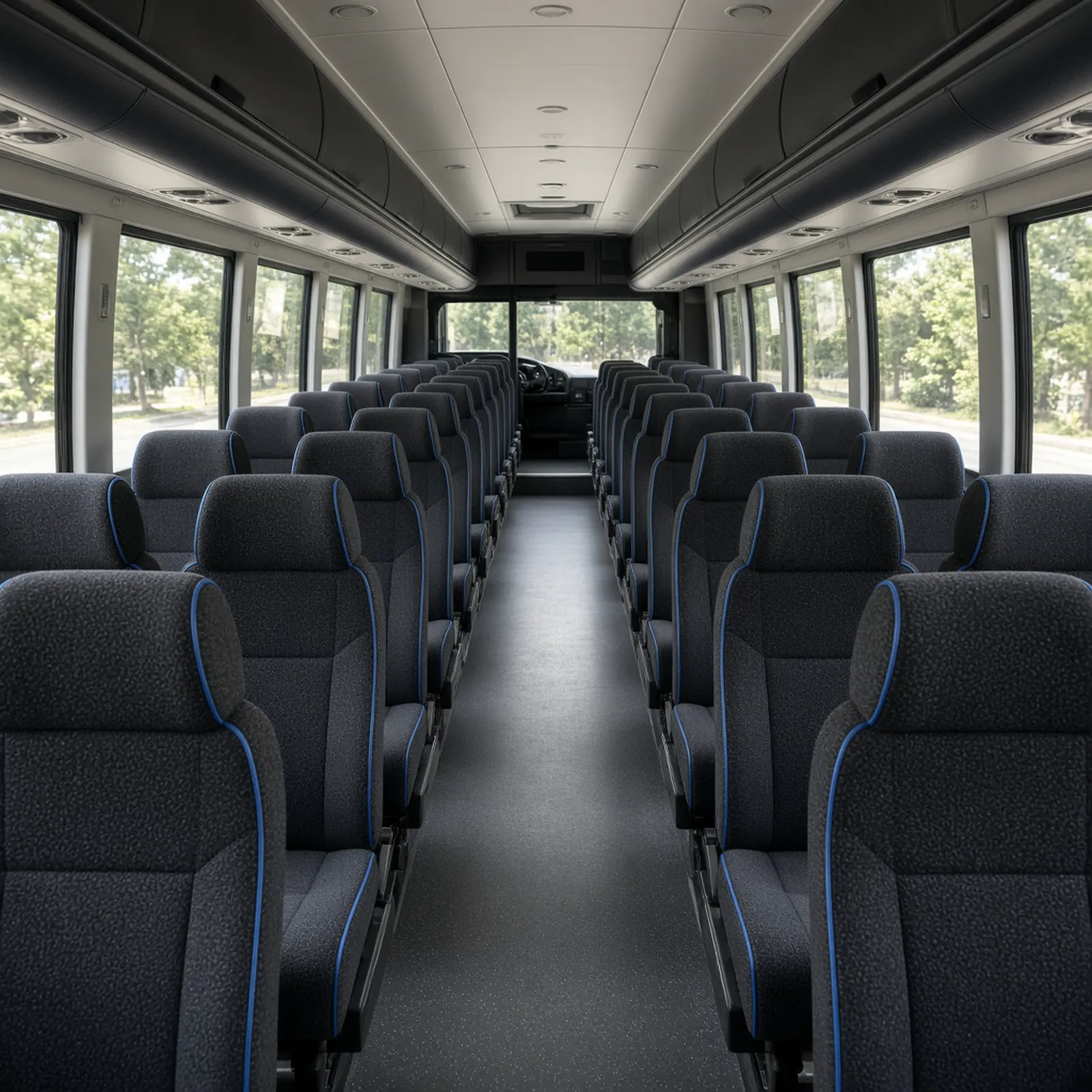
Two more things to raise early. First, accessibility: if a student or chaperone uses a wheelchair, request a lift-equipped vehicle in your first message, because those buses are limited and must be reserved specifically. Second, storage: lunches in crates, a cooler of water, and a first aid bag need a place. Coaches have luggage bays, while shuttle buses may only have a rear area or overhead shelf. The written quote should list what the assigned vehicle includes.
Our booking-network data
School Field Trips by the numbers
What quote requests across our booking network show about how groups plan school field trips transportation: when they ask, how big the group is, and which dates fill first.
33%
vs 12% across all inquiries
42%
vs 26% across all inquiries
81%
5%
Source: 65,687 group-transportation inquiry records with 2024–2025 event dates, collected across the national booking network that Chicago Party Bus Fun is part of. These are quote requests — not completed trips, unique customers, or Chicago-only figures. How we measure this

Timing a School-Day Trip Around Bells and Traffic
Field trips run inside a rigid window: the bus cannot leave before attendance, and it has to be back before dismissal. From a suburban school, a museum day typically looks like a 9:00 AM departure, arrival downtown between 10:00 and 10:30, and wheels rolling home by 1:30 PM. That return time is not negotiable. Leave the Museum Campus at 2:15 and you risk meeting the afternoon build on the Eisenhower, the Kennedy, or the Stevenson while parents wait in the pickup line.
Spring is the pinch point. Thirty percent of all requested dates in our booking network's inquiry data fell in spring, more than any other season, because prom, graduations, and weddings stack on top of end-of-year school trips. May weekday mornings are contested. October, by contrast, is excellent field trip weather, and January and February offer the most open calendars, which is handy since museums are indoors anyway.
Early in the week is quieter too. Only 2% of requested dates in that data fell on a Monday and 3% on a Tuesday. And large groups reward early planning: among quote requests for 41 to 55 passengers, 29% arrived at least 90 days ahead and just 12% came in with under two weeks to go. If your museum slot is reserved in the fall for a spring visit, request the bus at the same time. The trip duration estimator can help you check that the day fits between the bells.
Rules on Board and Paying for It
School trips are alcohol-free, for students and adults alike, and the bus is not a party vehicle for the day: no strobe lighting, no loud playlists, no standing. A teacher or lead chaperone should set the ground rules before departure. Students stay seated, food follows the operator's policy, the aisle stays clear, and everyone is counted at every stop. Put one adult near the back, not just at the front. Carry permission slips, medical information, and any medications in a single bag that stays with the lead teacher, and give dispatch the cell number of an adult on the bus, not the school office line.
On the money side, we do not publish rates, since a quote depends on the date, hours, distance, and vehicle. Schools, PTAs, and booster clubs keep costs down in a few dependable ways. Choose a Monday or Tuesday outside of May. Fill the bus, since sharing a coach with another class or a neighboring school cuts the cost per student sharply. Keep the day tight so you are not paying for idle hours. And ask for a quote that itemizes tolls, parking or bus fees at the destination, gratuity, and overtime, so the number on the permission slip is the real one.
Use the budget calculator to work out a per-student fee, and ask about purchase orders and payment timing if district funds are involved. For end-of-year celebrations, see our pages on graduation transportation and prom.
Ready to plan your school field trips ride?
Send the date, headcount, pickup address, and the adult in charge. We will reply with vehicle options and a written quote that spells out the schedule and the no-alcohol policy.
Chicago tips for school field trips
Book the museum and the bus in the same week
School group slots and spring weekday buses both go early. Reserving them together avoids the common problem of a confirmed museum visit and no vehicle to get there.
Get the bus instructions in writing
When the museum confirms your visit, ask for its current bus drop-off, parking, and pickup directions, then forward that email to the dispatcher.
Set the return time by dismissal, then work backward
Decide when the bus must be at school, subtract the afternoon drive plus 20 minutes, and that is when you leave the museum, even if the exhibit is great.
Give every chaperone a written roster
Small groups of five to ten students per adult, each with a list and the lead teacher's cell number, make headcounts quick and keep a big museum manageable.
A sample school field trips timeline
One realistic way the day can run. Your own schedule, stops, and timing go on the written quote.
8:45 AM
Bus stages at the school
The driver pulls into the bus lane after the regular routes have cleared. The lead teacher confirms the destination, the museum's drop-off instructions, and the return time.
9:00 AM
Load by class and count
Students board with their chaperone groups, lunches go in crates in the luggage bay, and each chaperone counts their own group before the door closes.
10:15 AM
Drop-off at the Museum Campus
Unload at the institution's designated school group entrance. The bus leaves for bus parking, and the teacher saves the driver's number for the callback.
12:00 PM
Lunch in the group area
Most museums assign a lunchroom time slot to school groups. A chaperone retrieves lunch crates if they stayed on the bus, which is arranged with the driver in advance.
1:15 PM
Call the bus and reload
The teacher calls the driver about 15 minutes before the group reaches the pickup point. Every chaperone counts again. Nobody boards early or alone.
2:30 PM
Back before dismissal
Arrive at school with time to spare before the final bell, so students make their regular buses and the office is not fielding calls from parents.
School Field Trips checklist
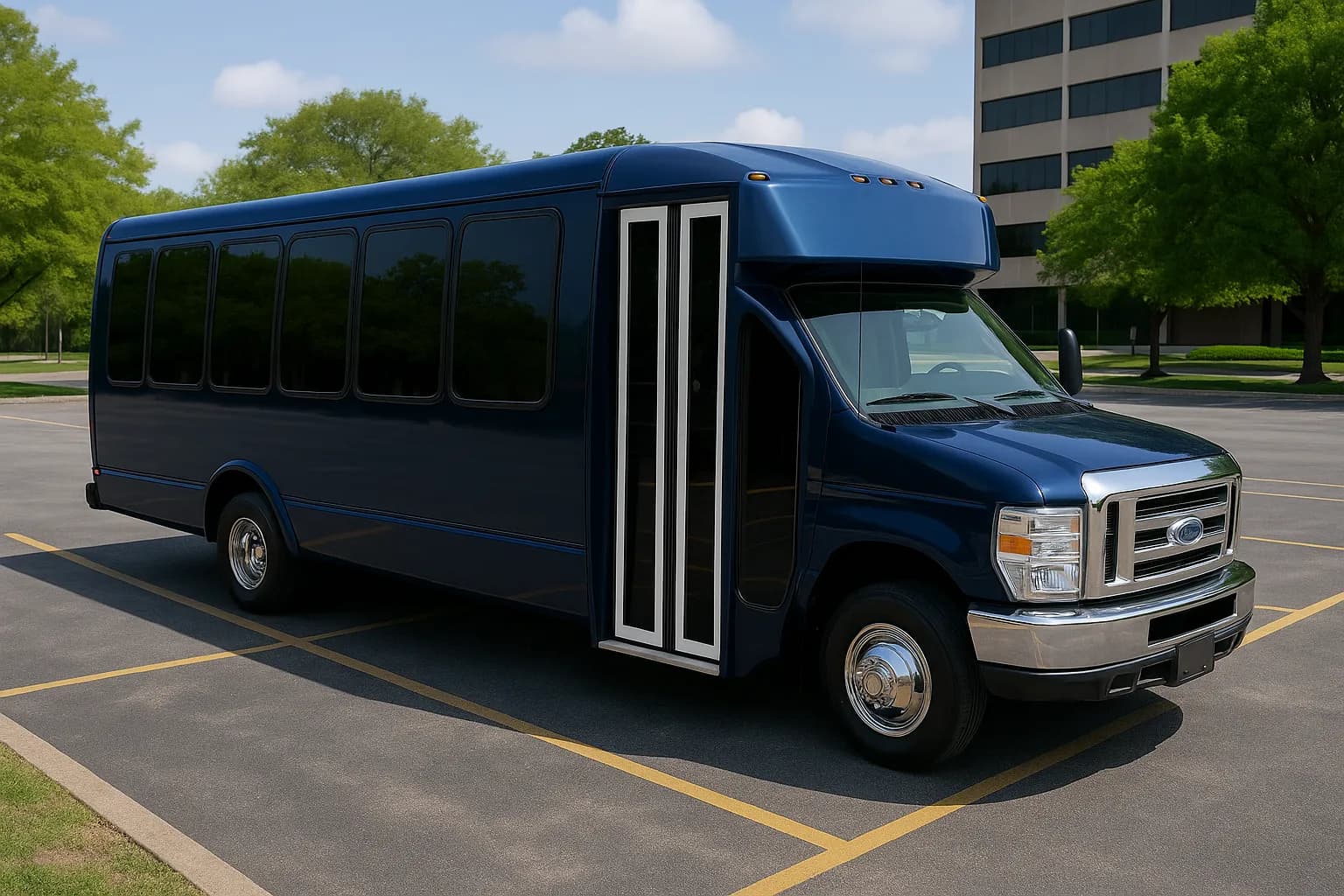
Vehicles groups pick for school field trips
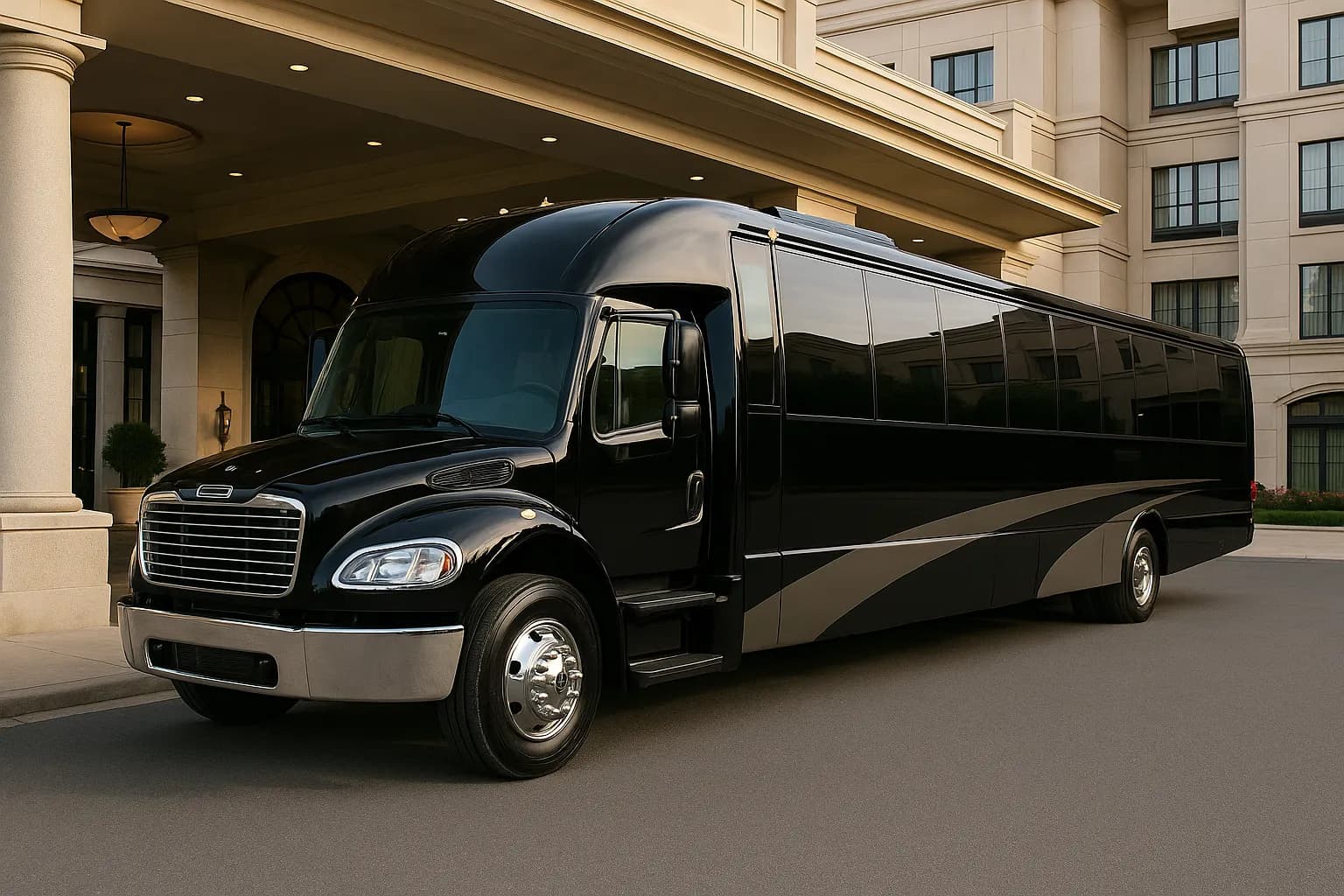
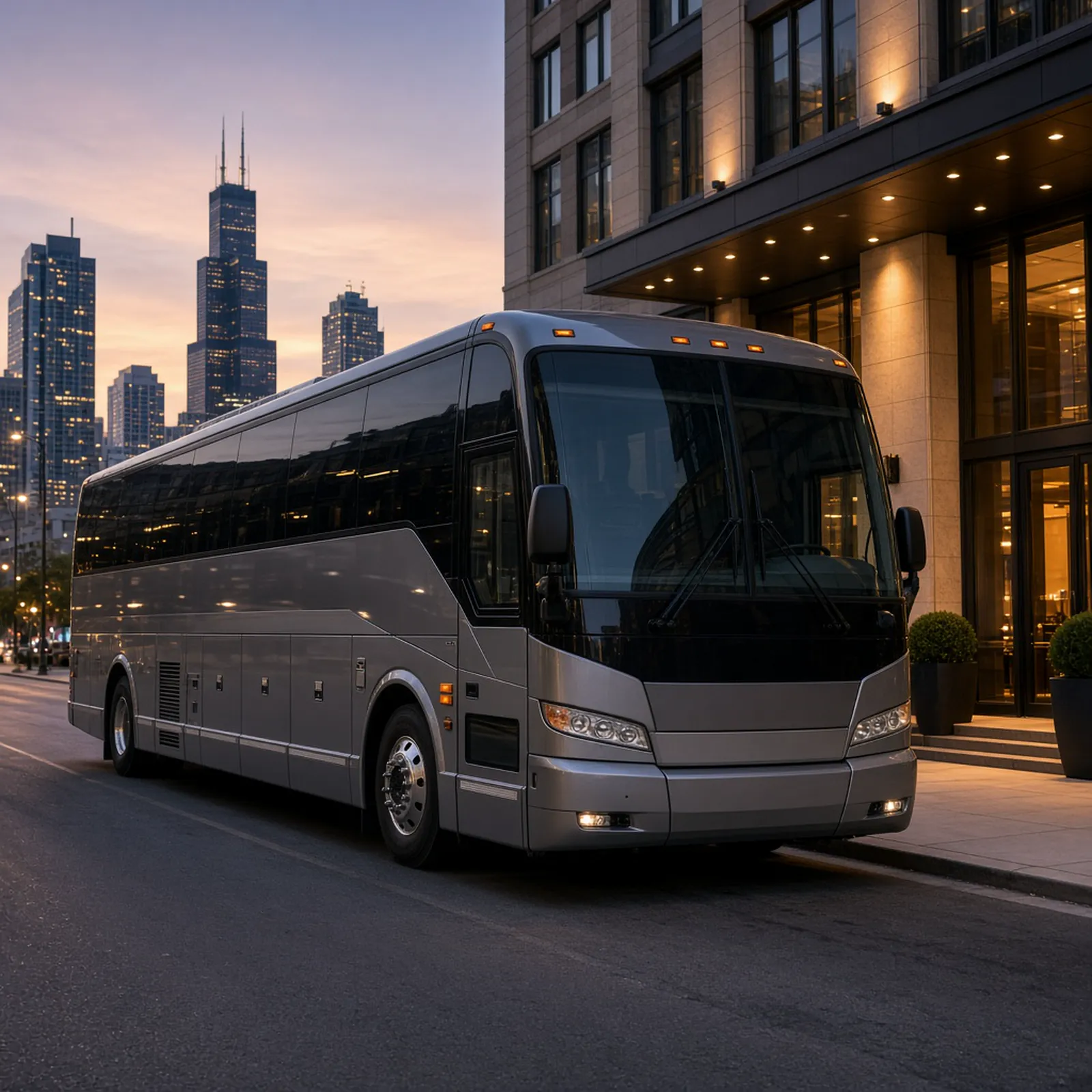
Start with your headcount, then decide whether you want to stand and dance or sit and talk.
Tools for planning school field trips
Size the group, pick the vehicle, set the hours, and split the cost before you ask for a quote.



School Field Trips polls
School Field Trips polls
Vote to see how other groups answered. One vote per poll, no sign-up, and nothing personal is stored.
What role do guest speakers play in enhancing field trips?
No votes yet — be first
What kind of safety measures should be prioritized during field trips?
No votes yet — be first
What is the biggest challenge schools face when organizing field trips?
No votes yet — be first
School Field Trips FAQs
Straight answers for planning a group trip in Chicago
How many chaperones do we need on a field trip bus?
Where do school buses park at the Field Museum or Shedd Aquarium?
Is a charter bus better than a yellow school bus for a field trip?
Do the buses have seat belts?
How far ahead should we book for a May field trip?
Can students eat lunch on the bus?
What happens if we are running late getting back to the bus?
Can one bus serve two schools or two grade levels?
Related Chicago events

Keep exploring
More vehicles to compare
See all 53 vehicles →Service areas
See all 64 service areas →



Plan your school field trips transportation
Tell us about your event and ask for a written quote. If your reservation is serviced by an affiliate or sister company, confirm vehicle, operator, base rate, minimum hours, and included charges with that provider before paying a deposit.