Why the clock runs while the bus is parked
The most common surprise for first-time planners is that the reservation is one unbroken block. If the group spends 90 minutes at dinner, the vehicle and driver are still committed to you for those 90 minutes. That is why the estimator's largest line item is usually time at stops, not driving.
This changes how you should think about the plan. A night with one long dinner and one long venue stop uses the vehicle mostly as a waiting room. A night with four short stops uses it as the main event, since the ride between places is where the group is together.
When the total passes eight hours, the tool suggests pricing two shorter reservations. A wedding with a ceremony transfer at 3 p.m. and a return at 11 p.m. is the classic case, since nothing happens with the vehicle for hours in between. Ask for both versions on your quote, along with any minimum hours and how overtime is billed. The event timeline planner helps you lay the day out by the clock.
Picking honest drive times for Chicago
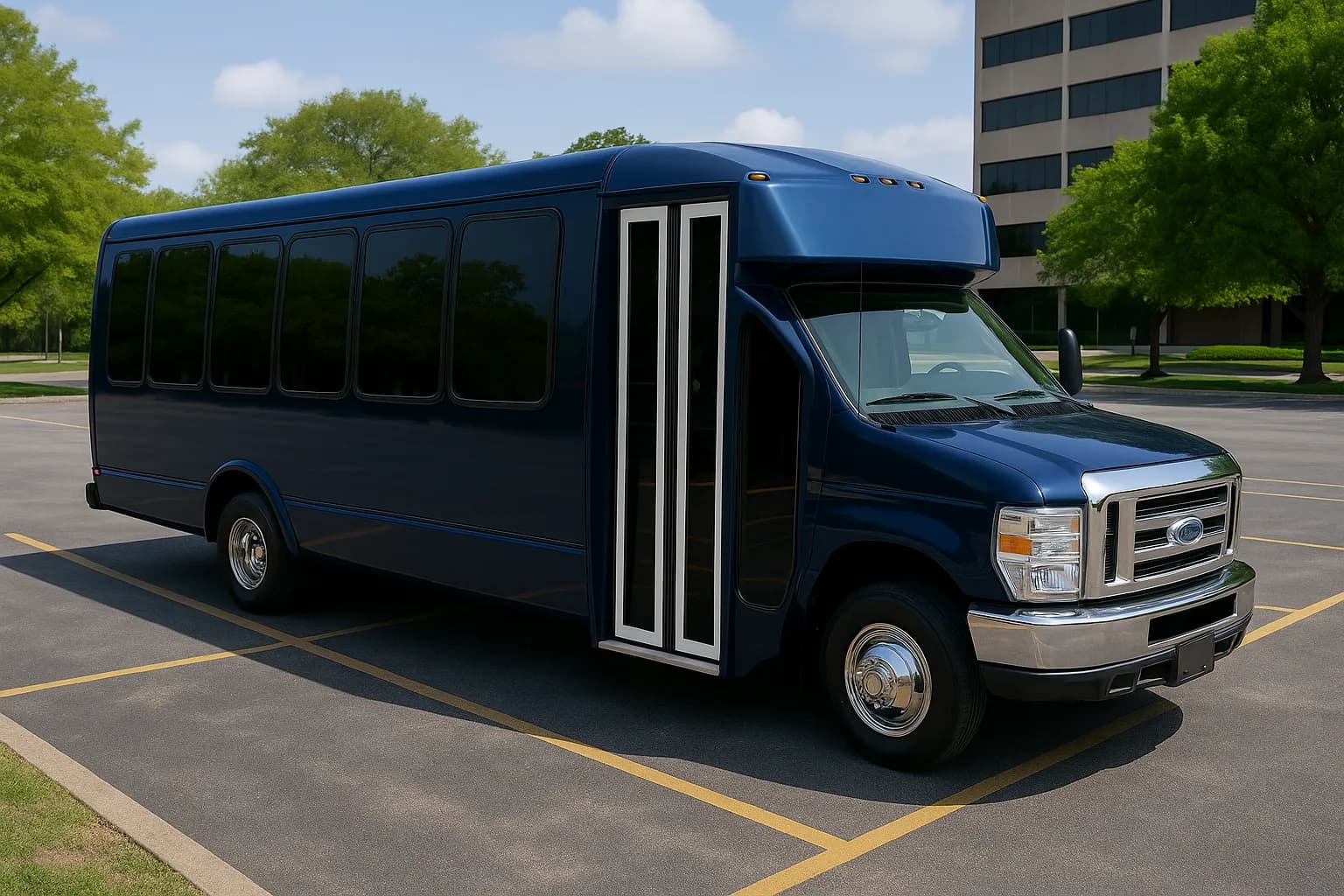
Short hops inside one district, such as between spots in River North or along Randolph and Fulton Market, are often 10 minutes on the map and 15 to 20 on a Saturday night, once you include one-way streets, pedestrians, and ride-share cars stopped in the travel lane. Crossing between districts, such as the West Loop to Wrigleyville or Wicker Park to the South Loop, is more like 25 to 35 minutes in evening traffic.
The Kennedy (I-90/94) can be slow inbound and outbound well outside the weekday rush, the Eisenhower (I-290) backs up approaching the Loop, and any game or concert changes the picture for an hour on either side. Buses face restrictions on parts of DuSable Lake Shore Drive, so confirm routing with the operator instead of assuming the lakefront route.
A practical method: look up each leg in a map app set to the actual day and hour, add a few minutes per leg for vehicle size, then average. The route time estimator does this leg by leg if your stops vary widely.
Boarding time is the number people underestimate
The tool applies loading time once at the first pickup and once more leaving each stop, so three stops means four boardings. At the default of 10 minutes each, that is 40 minutes of the reservation spent on nothing but getting people through the door. Someone is closing a tab, two people are in the restroom line, one is outside on a call, and the person who knows the plan is looking for the person who does not.
Group size drives this more than anything else. Eight people in a limo Sprinter can load in three or four minutes. Twenty-five people leaving a crowded bar at midnight can take 15. Loading also depends on where the vehicle can legally stop.
You can shrink this number with a few habits. Name one person to do the head count, agree on a departure time before anyone goes inside, and send a five-minute warning to the group chat. For adults-only trips where drinks are involved, expect boarding to get slower as the night goes on, and set the slider for the late stops, not the first one.
How stop count shapes the night
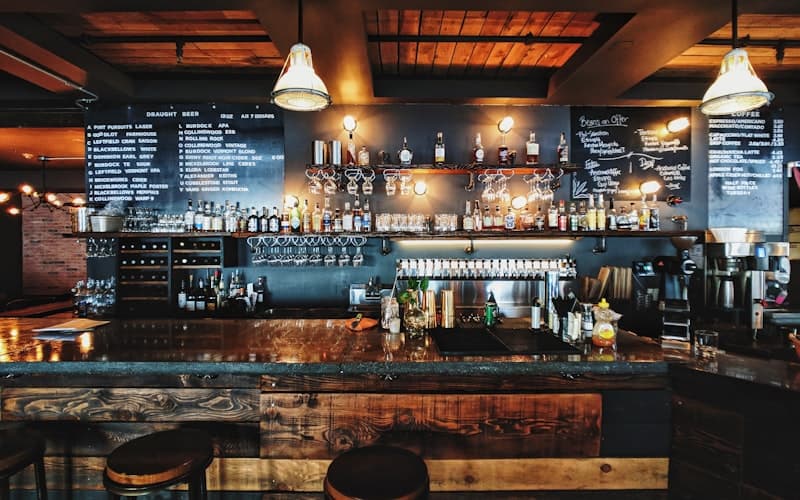
Every stop you add costs more than the time spent inside it. With the default settings, one extra stop adds 50 minutes at the venue, 20 minutes for another drive leg, and 10 minutes for another boarding, which is 80 minutes in total. That is why a five-stop bar crawl that looks tidy on paper often turns into a seven-hour reservation.
Most groups are happier with fewer, longer stops than with many short ones. Three stops of 50 to 60 minutes tends to feel relaxed, while five stops of 30 feels like being herded. The exception is a route built around the ride itself, such as a holiday light tour or a photo loop along the skyline, where stops are brief by design.
Check closing times as well. Many Chicago bars close at 2 a.m. and some hold later licenses, so verify the hours of your last stop yourself and plan the final leg so the group is not standing outside a locked door. The nightlife guide and brewery tour planner can help you choose a district that keeps legs short.