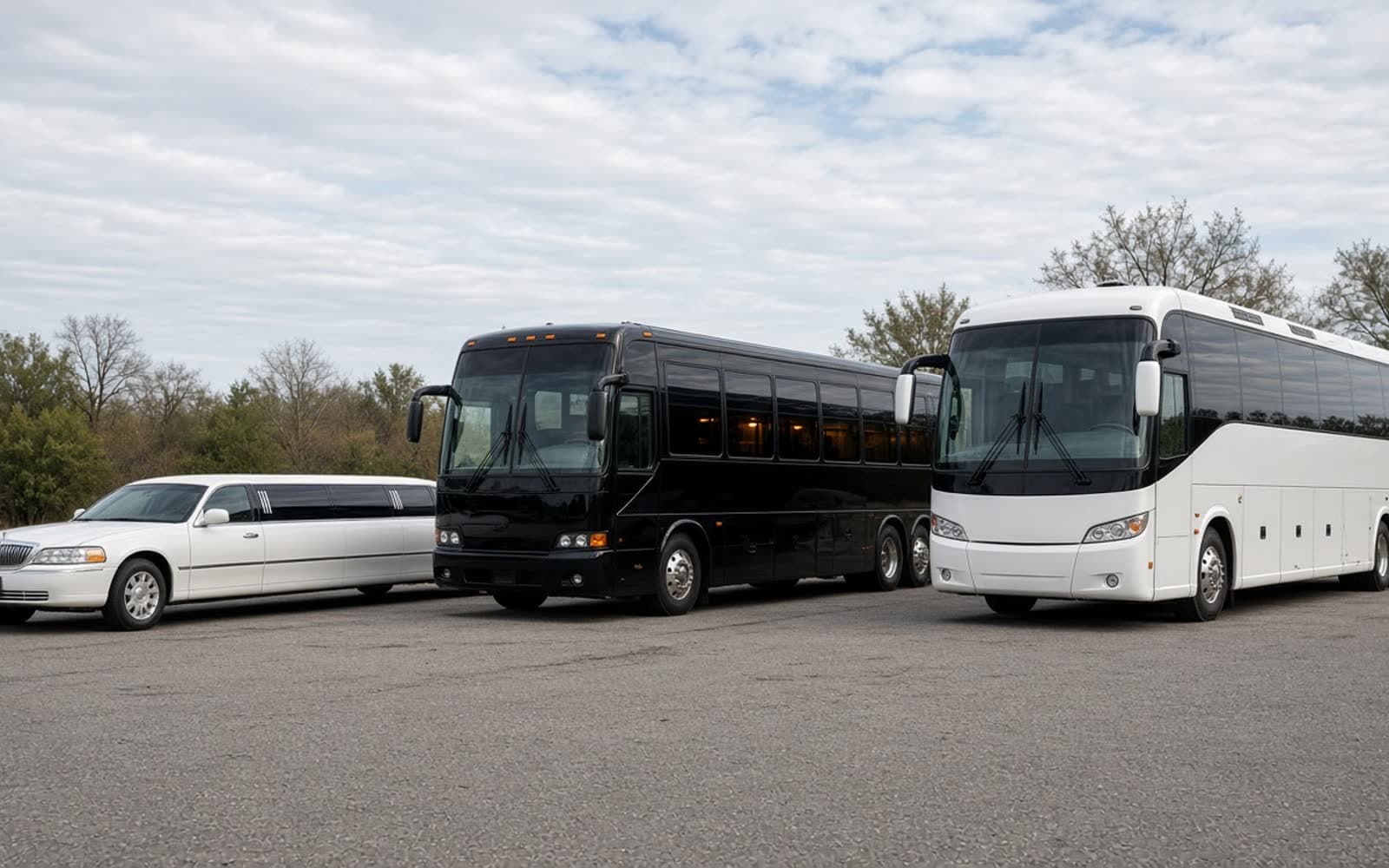
How the loop math works
A loop is the drive out, the drive back, and about 15 minutes to load. With a 20-minute drive that is 20 + 20 + 15 = 55 minutes. The planner then asks how many runs fit in the arrival window, with one allowance: the last run only has to get to the venue, not return. It subtracts one outbound drive and one load from the window, divides what remains by the loop length, rounds down, and adds one.
At the default settings, 140 guests at 60% gives 84 riders. A 1-hour window minus 20 minutes of driving and 15 of loading leaves 25 minutes, which is less than a 55-minute loop. So only one run fits, all 84 riders have to move at once, and because the planner treats 56 seats as the most a single coach holds, it tells you to plan two vehicles running together.
Widen the window to 1 hr 30 min and 55 minutes remain, exactly one extra loop. Now two runs of 42 riders fit on a single vehicle. That is the trade the tool exists to show you: asking guests to arrive a little earlier can replace a second coach.
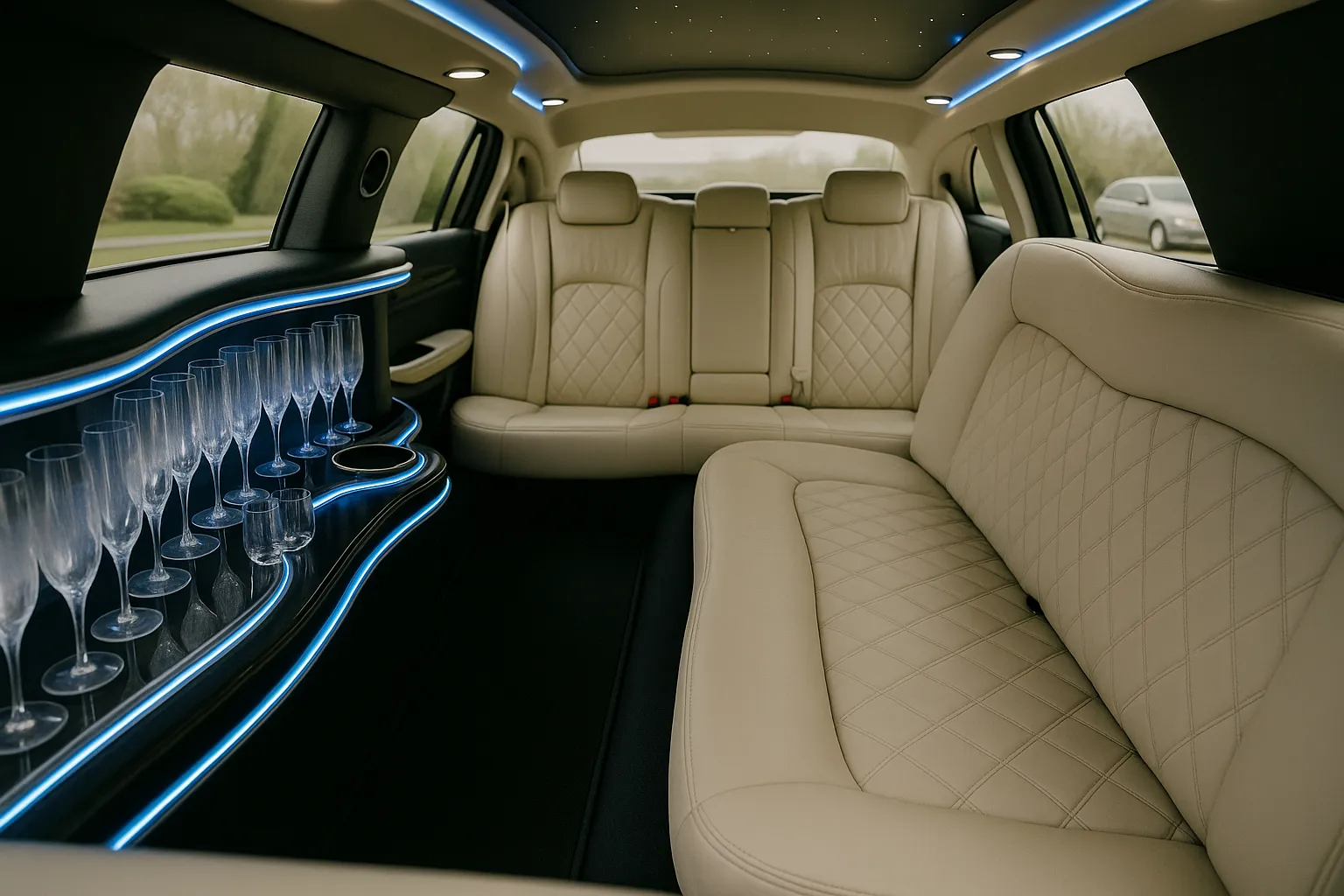
Estimating the share who will actually ride
The 60% default is a middle guess, and your number depends on where the wedding is. For a downtown ceremony with a hotel block in the Loop or River North, many guests can walk or take a short rideshare, and the shuttle share may be 30 or 40 percent. For a venue in the far suburbs, a forest preserve, or a farm property past the end of the Metra lines, where rideshare cars are scarce at midnight, plan on 70 to 90 percent of hotel guests riding.
Ask instead of guessing. A line on the RSVP card or the wedding website ("Will you ride the shuttle from the hotel?") gives you a real count. The group size calculator is useful for turning an invite list into expected attendance before you apply the shuttle share.
The reception matters too. Guests who drove themselves to the ceremony may prefer not to drive home, and the planner reminds you that the return needs the same seats. If alcohol is being served, a shuttle share at the high end of your estimate is the safer plan. The wedding transportation page covers how shuttles, party vehicles, and getaway cars fit together.
Chicago drive times and venue loading realities
The one-way drive is the input couples most often underestimate, because they timed it on a quiet weekday. Wedding guests travel on Friday and Saturday afternoons. A Friday 4 PM run from a Loop hotel to a West Loop or Fulton Market loft can double in length. On Saturdays, a Cubs home game, a festival in Grant Park, or a lakefront race can close streets and slow the whole grid. Check the city's event calendar for your date, then drive the route at the same day and hour a few weeks ahead, or use the route time estimator.
Loading is the second reality. A 56-passenger coach is about 45 feet long. Many Chicago venues are converted warehouses on narrow streets, churches on residential blocks, or lakefront and museum properties with controlled access. Ask each venue where a coach can stop, whether there is a height limit under a canopy or viaduct on the approach, and whether the hotel's driveway can take a full-size bus or the pickup should be at the curb. Large vehicles may be restricted on parts of DuSable Lake Shore Drive, so confirm routing with the operator.
Look at coach buses for the full-size options.
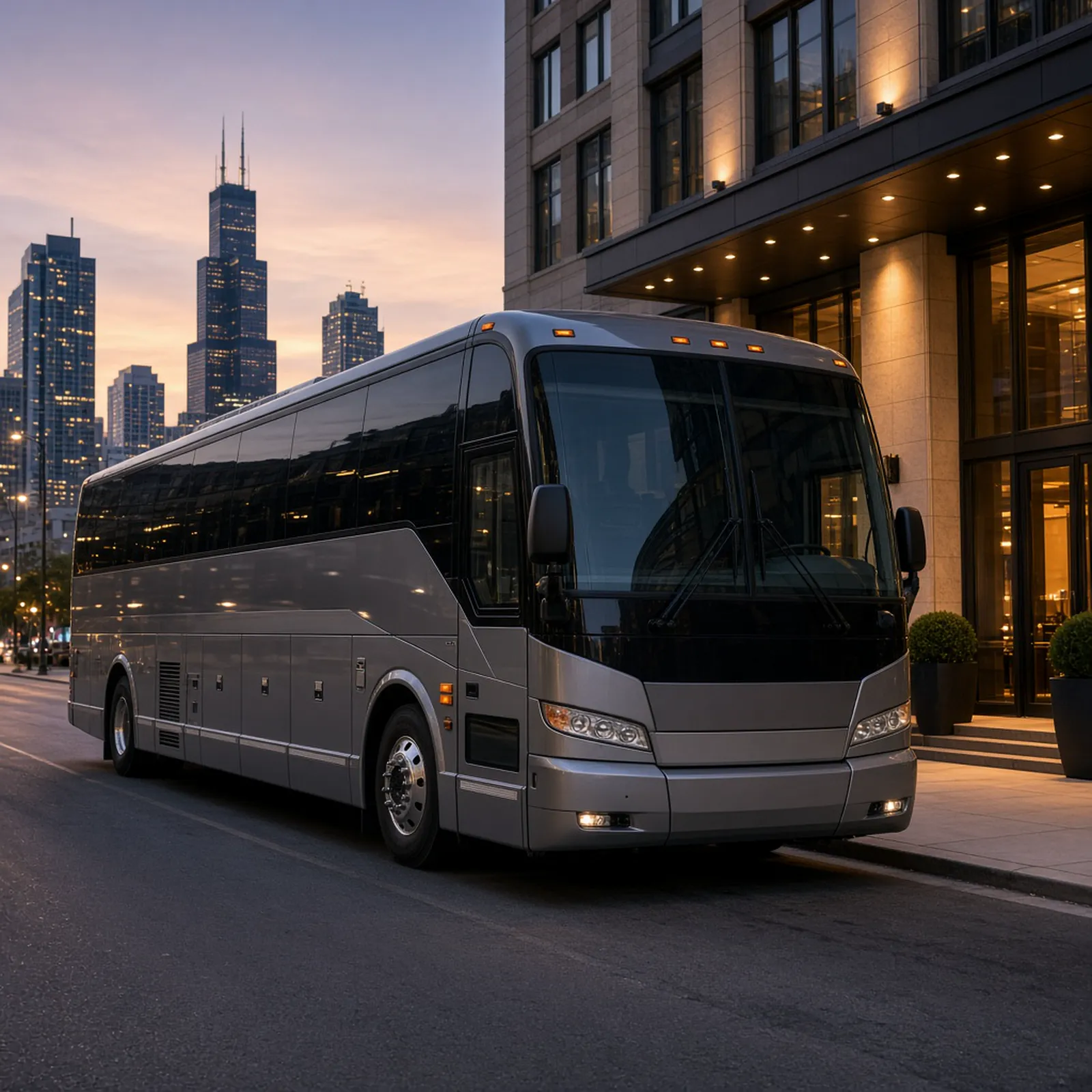
The wedding party vehicle and the end of the night
The wedding party input is separate from the shuttle because that group moves on a different schedule. They go from getting ready to the ceremony, often to a photo location between the ceremony and reception, and they need to stay together. The planner maps the count to a size band. Twelve people fall in the 11–14 seat band, a limo Sprinter or a large stretch limousine. Among wedding inquiries for 2024–2025 event dates in the national booking network this company belongs to, 26% of usable passenger counts fell in the 21–30 passengers band, against 17% across the full dataset. Those are quote requests nationwide, not completed rides, but they show how often a wedding party plus partners and family outgrows a limousine.
Gowns and suit bags take space, so size up. Compare limousines with a small party bus if the group wants to stand and move around between photo stops.
The getaway car is a short one-way transfer. Ask whether it is billed as a transfer or carries an hourly minimum, because a 10-minute ride can be priced as several hours. For the return shuttle, schedule one early run for older guests and families with children, then the main departure at the end of the reception. A shared schedule from the event timeline planner keeps the planner, venue, and operator on the same times.