
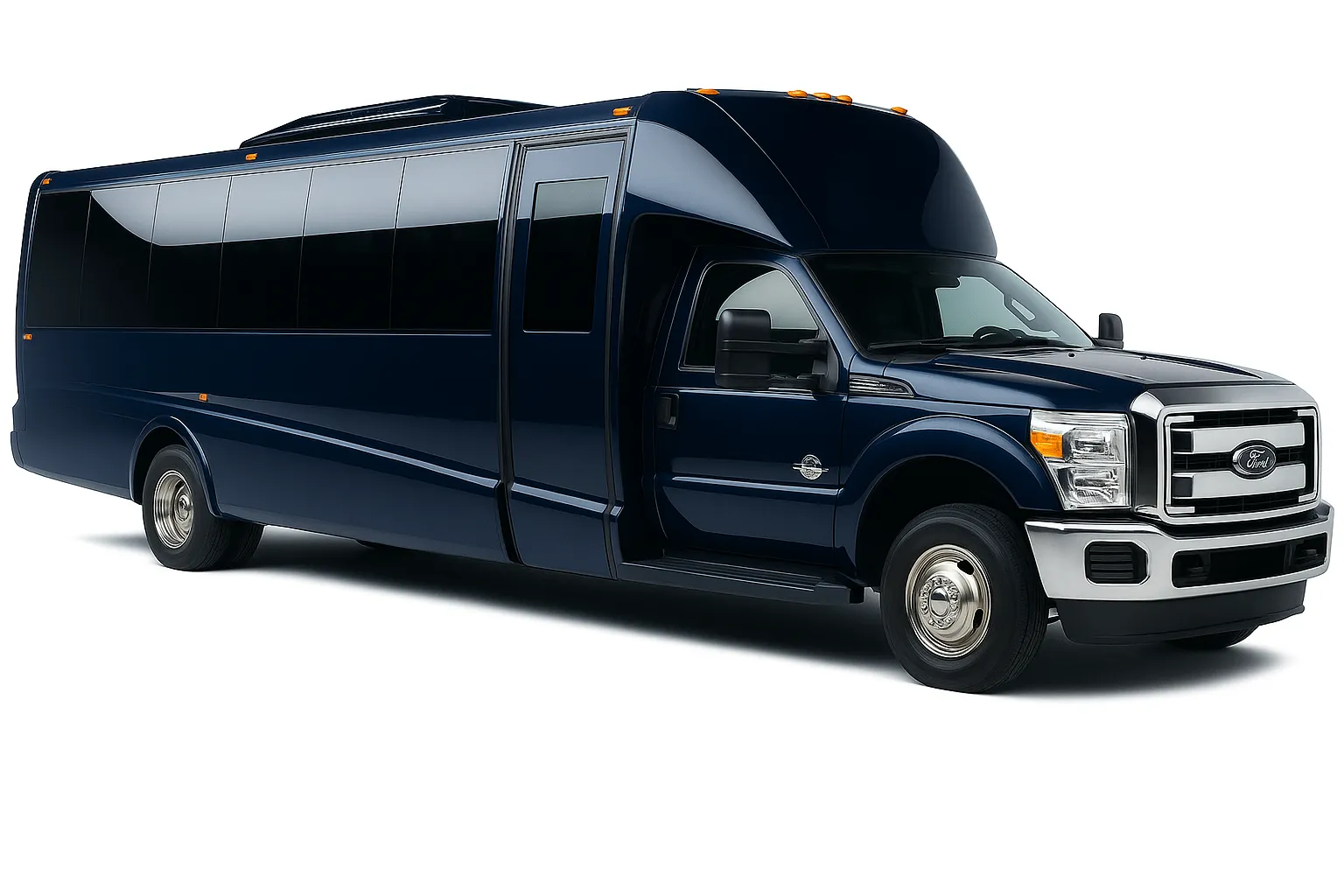
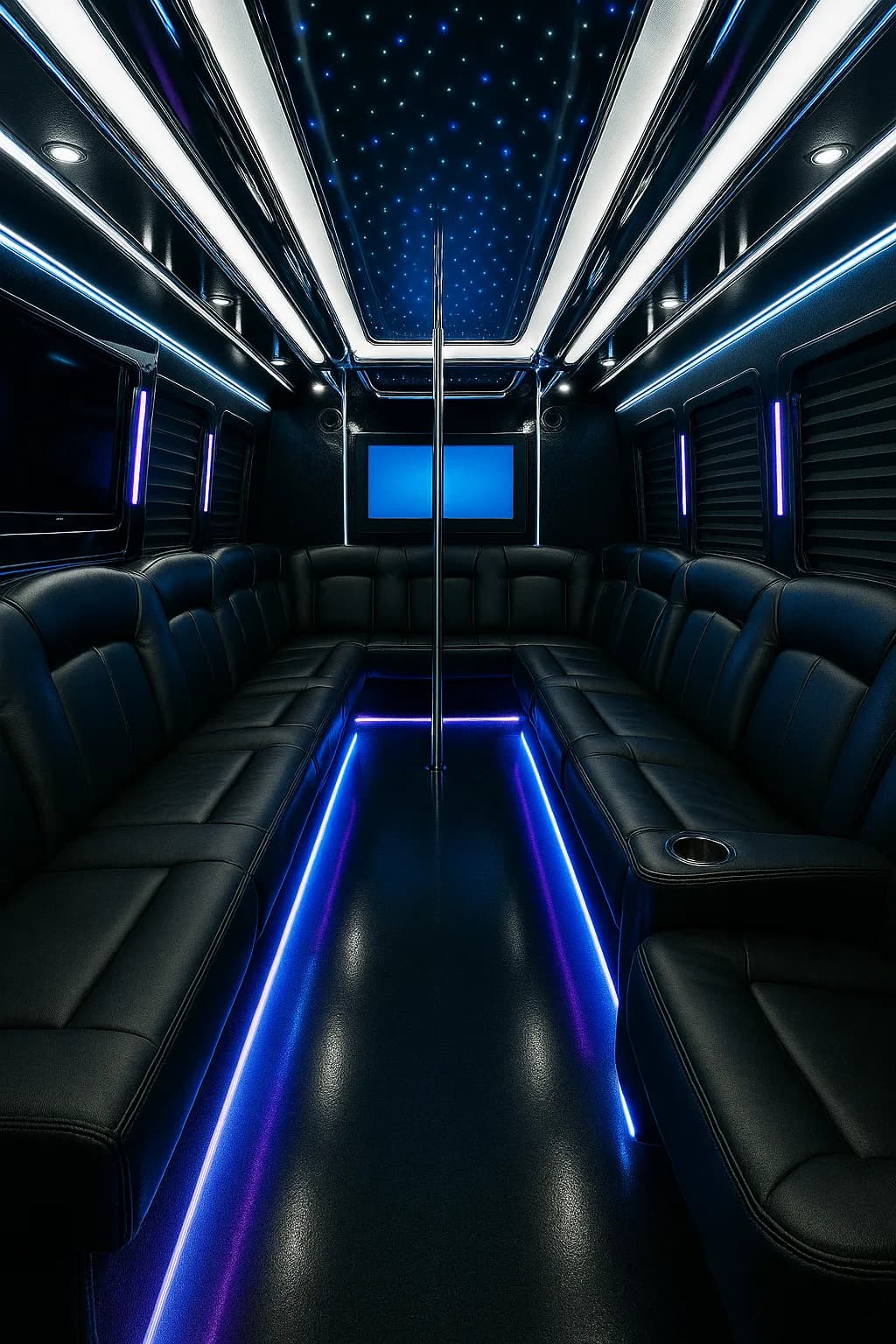
26 Passenger Party Bus
Capacity: 26 passengers
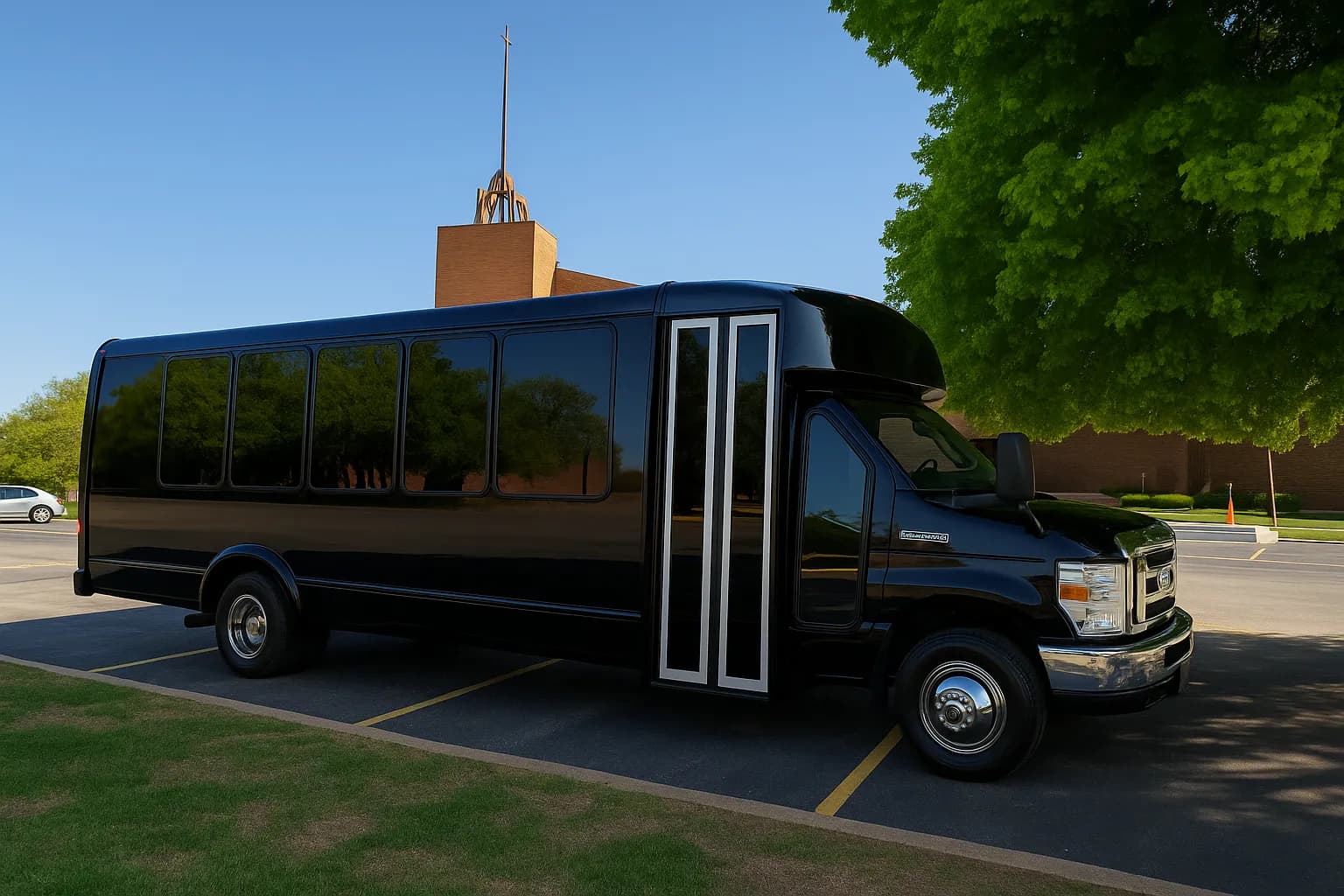
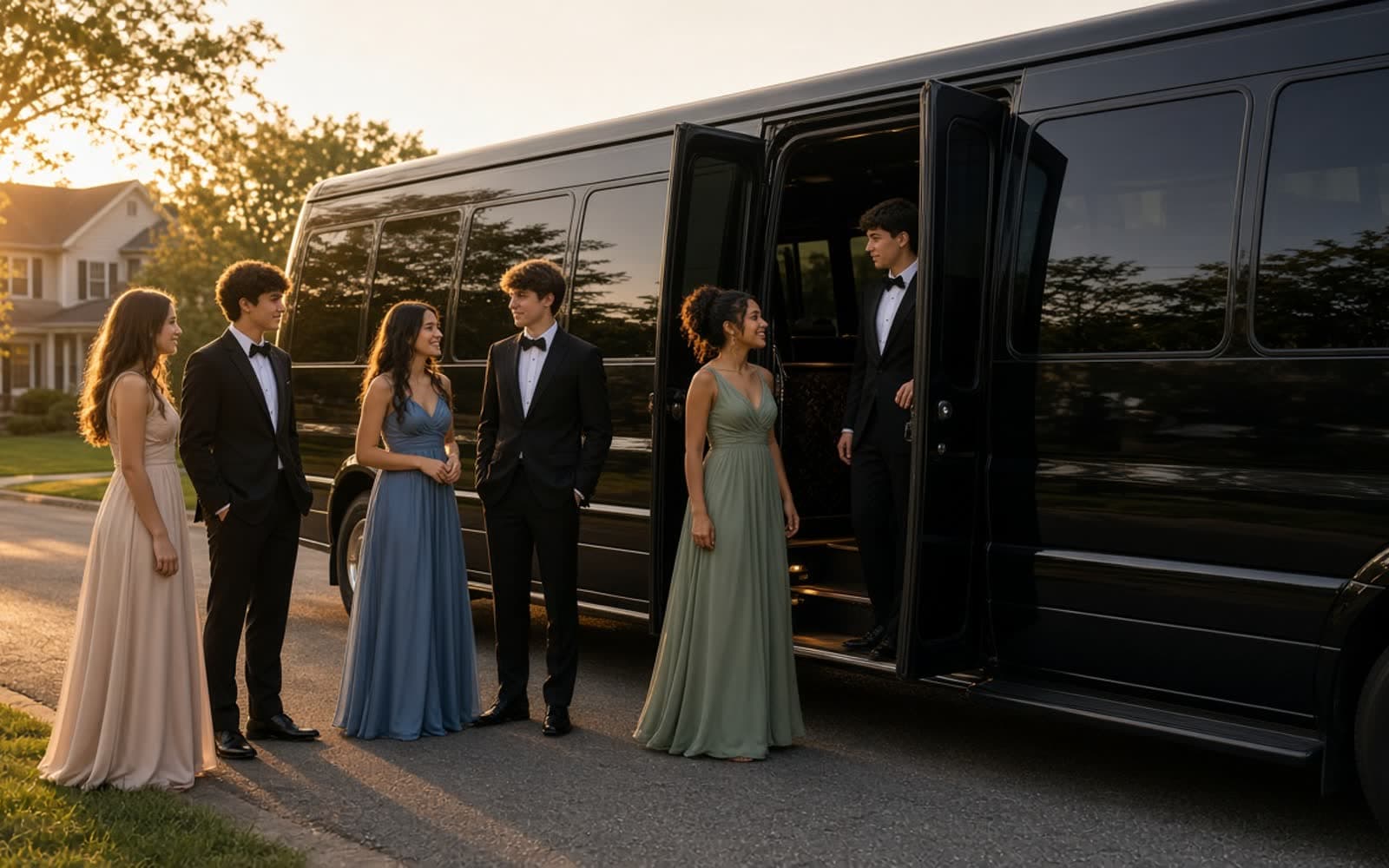
“The 26 passenger party bus is the prom, homecoming, sweet 16, and quinceañera bus: comfortable for 20 to 22 teens in…”
View Details →Seats up to 28 · party bus
The largest mid-size option: a 28 passenger party bus for 22 to 24 adults. Tailgate and downtown access tips, and when a 30-seat or larger bus makes sense.
Pickup ZIP, date, headcount, and hours get you one written total with the driver, fuel, taxes, and gratuity included.
Quick answer
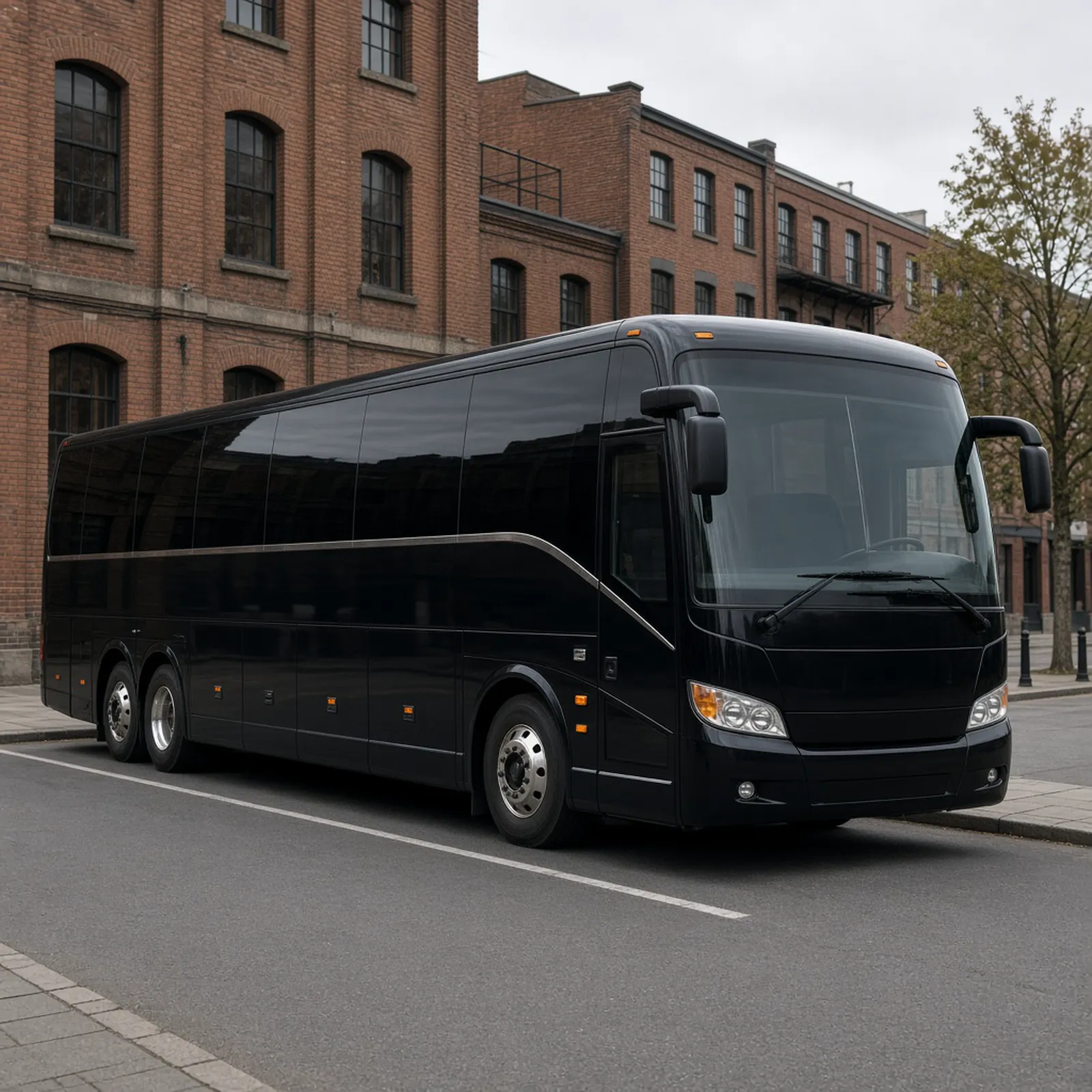
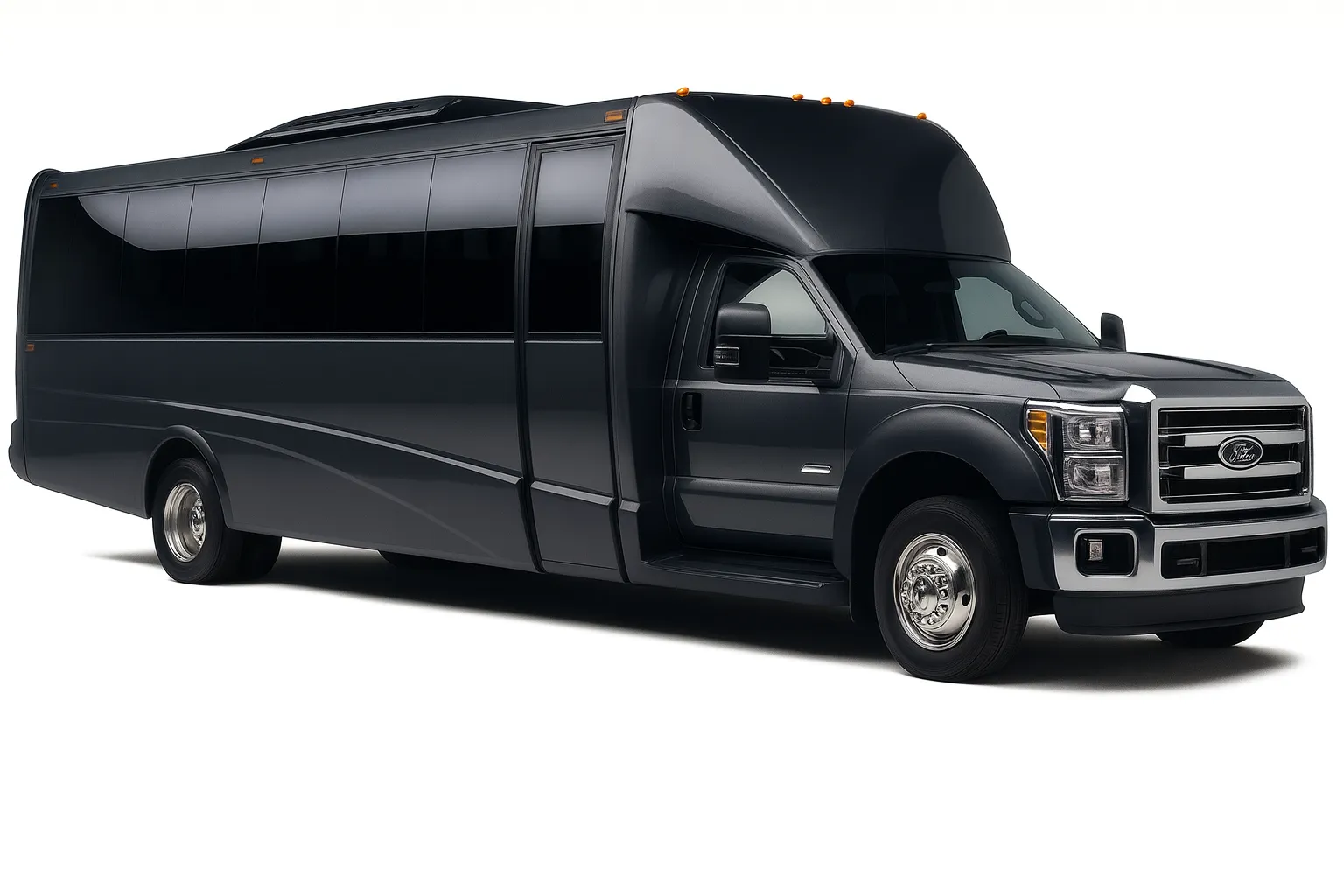
The 28 passenger party bus is the largest of the mid-size class, the last stop before you are paying for a big bus. It suits 22 to 24 adults: tailgates, company outings, large birthday groups. Check your count honestly. At 25 or more confirmed riders, a 30-seat or larger bus is the better buy.
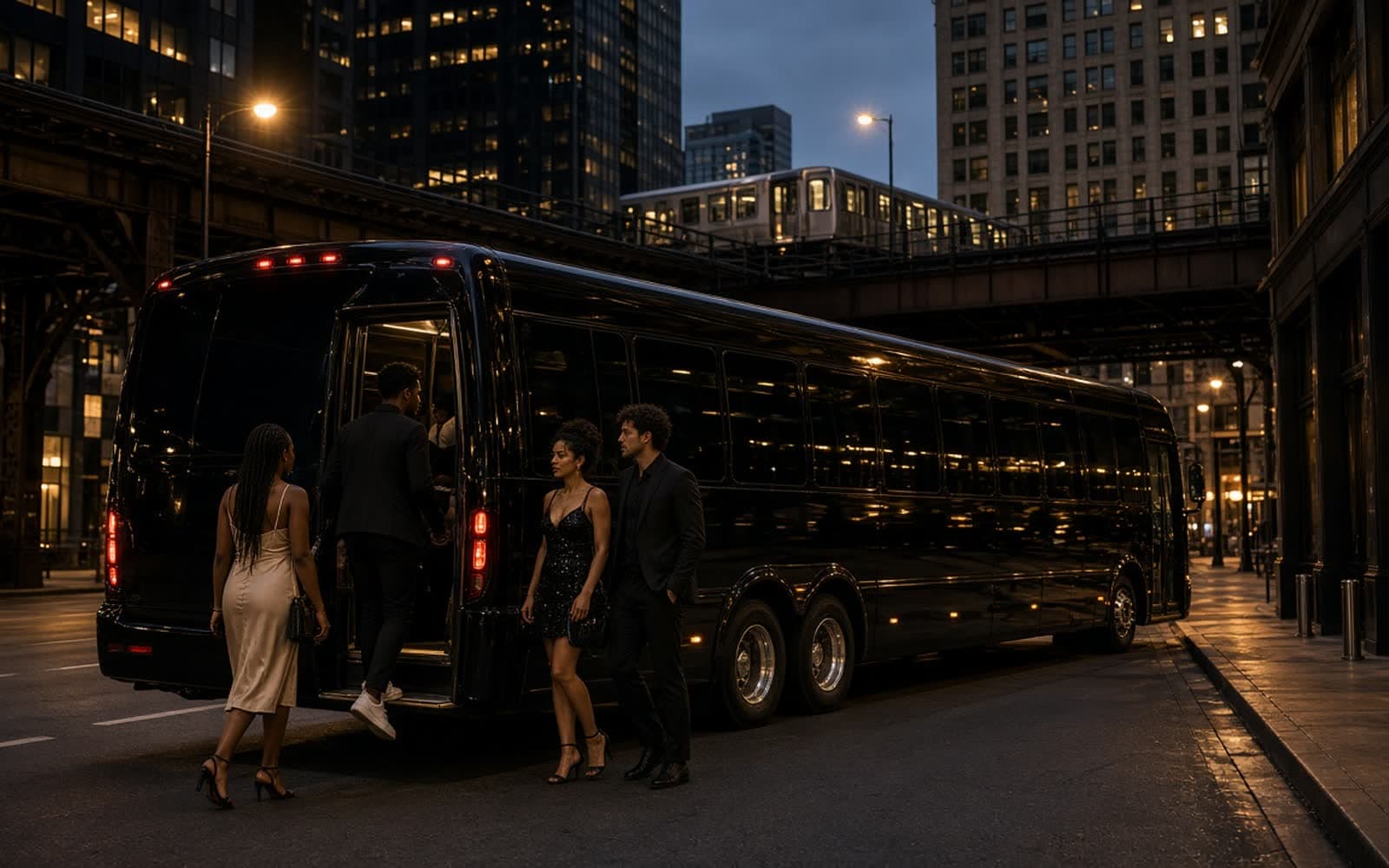
Every fleet has a size where one class ends and the next begins, and for party buses it sits around here. The 28 passenger party bus is generally the longest of the mid-size builds. Beyond it, at 30 seats and more, you are usually into a larger chassis, with a price and a street footprint to match. If your group is in the low-to-mid twenties, this is the bus that gives you the most room without stepping up to the big class.
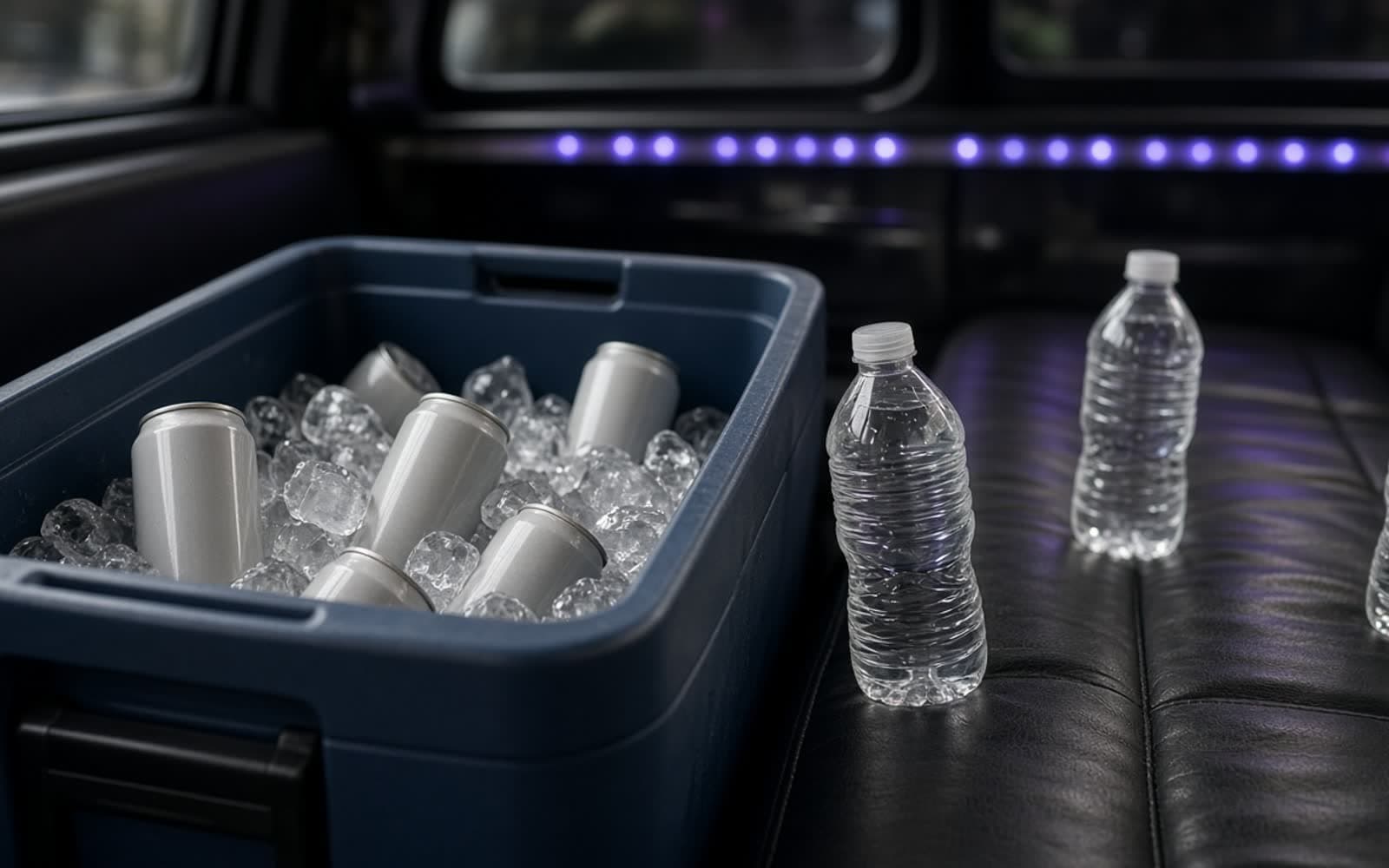
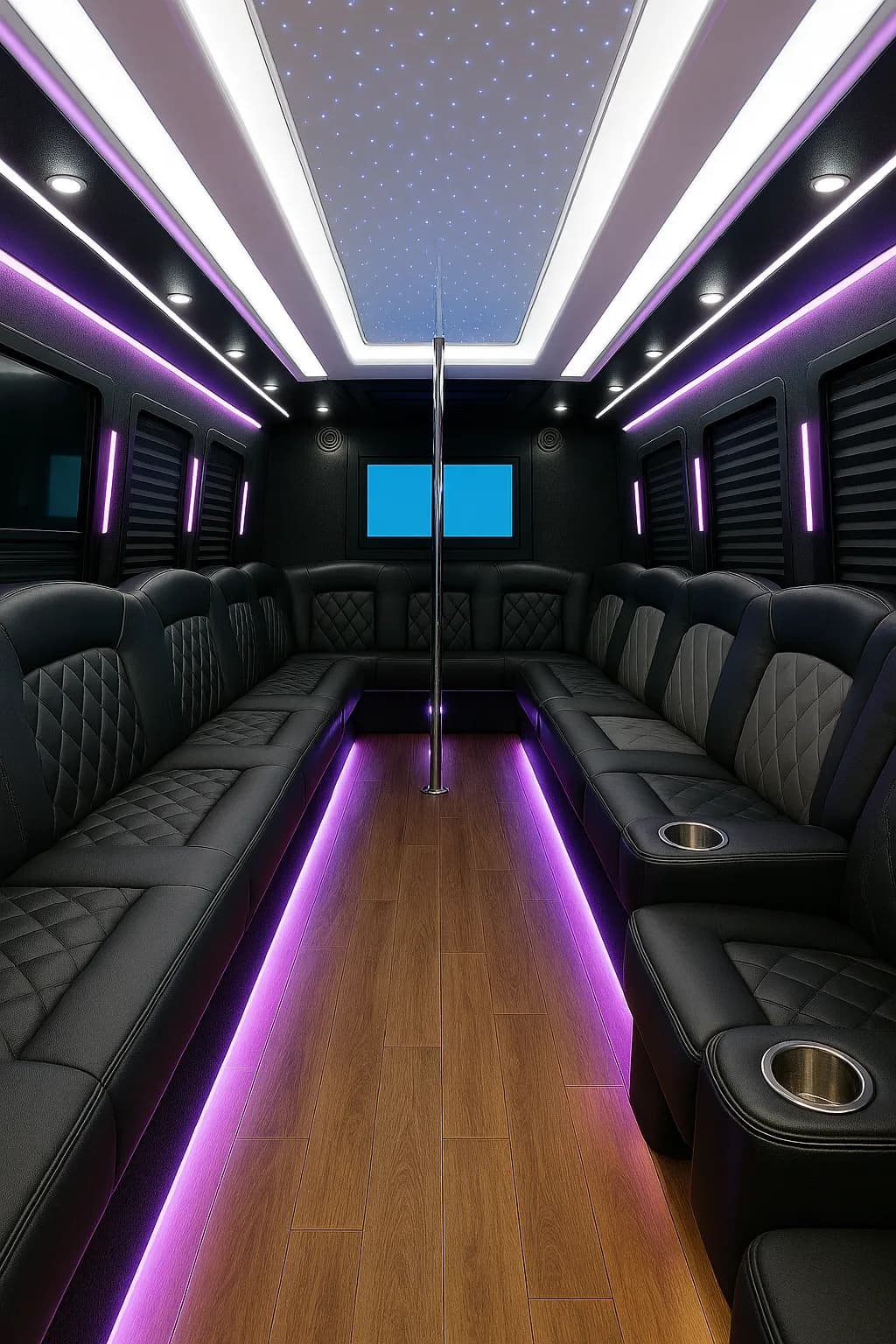
Inside, it feels like a big vehicle. There is enough bench for two separate conversations, a bar or cooler area that a group of 24 can actually reach, and enough open floor that standing at a stop does not mean blocking the aisle. Some builds in this range add a second screen or a rear lounge section, and others keep a single open room. Your written quote lists the layout and equipment of the assigned bus.
The decision each way is straightforward. If your honest count is 21 or fewer, the 26-passenger party bus will do the job. If you are at 25 and climbing, go directly to the 30-passenger party bus, or past it to the 32-passenger party bus, rather than packing this one to the ceiling. The 28 is for the group in between.
Group sizes thin out quickly above thirty. In our booking network's national dataset of dated quote requests, 17% listed 21 to 30 passengers, and only 4% listed 31 to 40. Fleets mirror that. There are many buses for groups in their twenties and fewer large ones, and the large ones cost more to buy, fuel, park, and insure, which is reflected in their hourly rates.
So there is a real reason to stay at 28 if the group allows it. You are choosing from a deeper pool of vehicles, and the bus can still work most city streets. The mistake is staying at 28 when the group does not allow it. A 28-seat bus with 27 adults, two coolers, and a pile of winter coats is an uncomfortable evening, and the amount saved per person against a 30 or 32 is usually small once it is split two dozen ways.
Ask for written quotes on both sizes when you are within two or three people of the limit. Put both totals through the budget calculator with your real headcount, and you will see the per-person gap in dollars instead of guessing. If availability is thin, the party bus category page shows the sizes on either side.
Large groups are harder to count than small ones. With ten friends you know who is coming. With 25, the list is built from other people's lists. The softball team's captain says "about 14." The office organizer is waiting on the sales team. Partners are maybes until the day.
A few habits keep a large group from overbooking or overpaying:
The comfortable range on this bus is 22 to 24 adults. Run your list through the group size calculator, and if you land at 25 or above, accept the result and size up.
Fall is when this bus works hardest. Sports inquiries in our network lean heavily autumn, with 58% for fall dates, and requests for 21–30 seat vehicles follow the same curve, with 40% falling in fall. In Chicago that means Bears Sundays, college football Saturdays in Evanston and further afield, and the start of the Bulls and Blackhawks seasons.
A few things to sort out for a stadium trip:
Parking and staging. Soldier Field, the United Center, and the White Sox ballpark each handle buses differently, and the arrangements change. Bus parking often needs to be bought in advance and is separate from your rental. Ask dispatch what is needed for your game, and check the venue's current bus and oversize-vehicle rules.
Tailgating. Not every lot that allows buses allows tailgating beside them. If the tailgate is the point, confirm that the lot permits it. See the tailgating page and the game day planner.
Timing. Arrive early, because lots fill and traffic near the museum campus backs up. Afterward, plan on sitting for a while; nothing leaves a stadium lot quickly. Reserve enough hours to cover that.
Alcohol. Only passengers 21 and over may drink on board, and venue lot rules apply once you are parked.
At 28 seats, think of this as a bus and not a big van. It needs more curb to pull in, more room to turn, and more care with overhead clearance. Most of that is the driver's job, but your route choices make it easier or harder.
Group stops close together. Two bars three blocks apart can be one bus stop with a short walk, and that saves ten minutes of loading for 24 people.
When a group reaches the mid-twenties, there are three reasonable ways to move it, and each has its place.
One 28. This is best for 22 to 24 people who want to be together. One schedule, one playlist, one bill. For most social outings, this is what people book.
One larger bus. Once you are at 25 or more, a 30, 32, or even a 36-passenger party bus gives comfort back. The hourly rate is higher and the curb options are fewer, but the experience for the group is much better than a bus that is packed.
Two smaller vehicles. Two 14-to-16-seat vehicles can reach places one long bus cannot, and they let you serve two pickup areas at once, for example one from the North Side and one from the western suburbs, meeting at the venue. The downsides are splitting the group, paying two hourly minimums, and coordinating two drivers. It rarely comes out cheaper.
For corporate groups that need a seated, professional ride, such as an offsite or a client dinner, a 28-passenger shuttle bus carries the same number in forward-facing seats. Ask yourself whether the ride is part of the event or only the way to get there, and book the vehicle that matches.
Our booking-network data
Numbers from quote requests across our booking network that involve mid-size groups and party bus requests. They are a useful reality check on timing and group size before you lock in a 28-passenger vehicle.
62%
vs 17% across all inquiries
1%
vs 28% across all inquiries
21%
vs 26% across all inquiries
18%
vs 12% across all inquiries
Source: 65,687 group-transportation inquiry records with 2024–2025 event dates, collected across the national booking network that Chicago Party Bus Fun is part of. These are quote requests — not completed trips, unique customers, or Chicago-only figures. How we measure this
A 9 a.m. Sunday pickup at a bar in Bridgeport, coolers loaded, and a short ride to a pre-purchased bus parking spot near Soldier Field. After the game the group regroups at the bus, waits out the worst of the lot traffic with the post-game show on, and is back in the neighborhood by dinner.
Read the planning guide →A Thursday pickup at a Loop office, out to an activity venue in the western suburbs for the afternoon, then dinner in Oak Brook before drop-offs at the office and a Metra station. Weekday timing keeps the hourly minimum manageable, and the ride back doubles as a debrief.
Read the planning guide →The group boards in Beverly at 4:30 and rides down I-57 and I-80 to the amphitheater in Tinley Park, with the headliner's catalog playing the whole way. The bus stages in the venue's bus area and waits. At midnight, 22 people skip the parking-lot gridlock behind the wheel and ride home together.
Read the planning guide →The simplest plan for the hardest night of the year: pickup at a Gold Coast hotel at 8, drop at a ticketed event in the West Loop, and a fixed 1:30 a.m. return. Reservations for New Year's Eve carry longer minimums and sell out early, so this one gets arranged in the fall.
Read the planning guide →Size the group, pick the vehicle, set the hours, and split the cost before you ask for a quote.
One size up gives you elbow room; one size down trims the hourly cost. The closest matches to the 28 Passenger Party Bus:
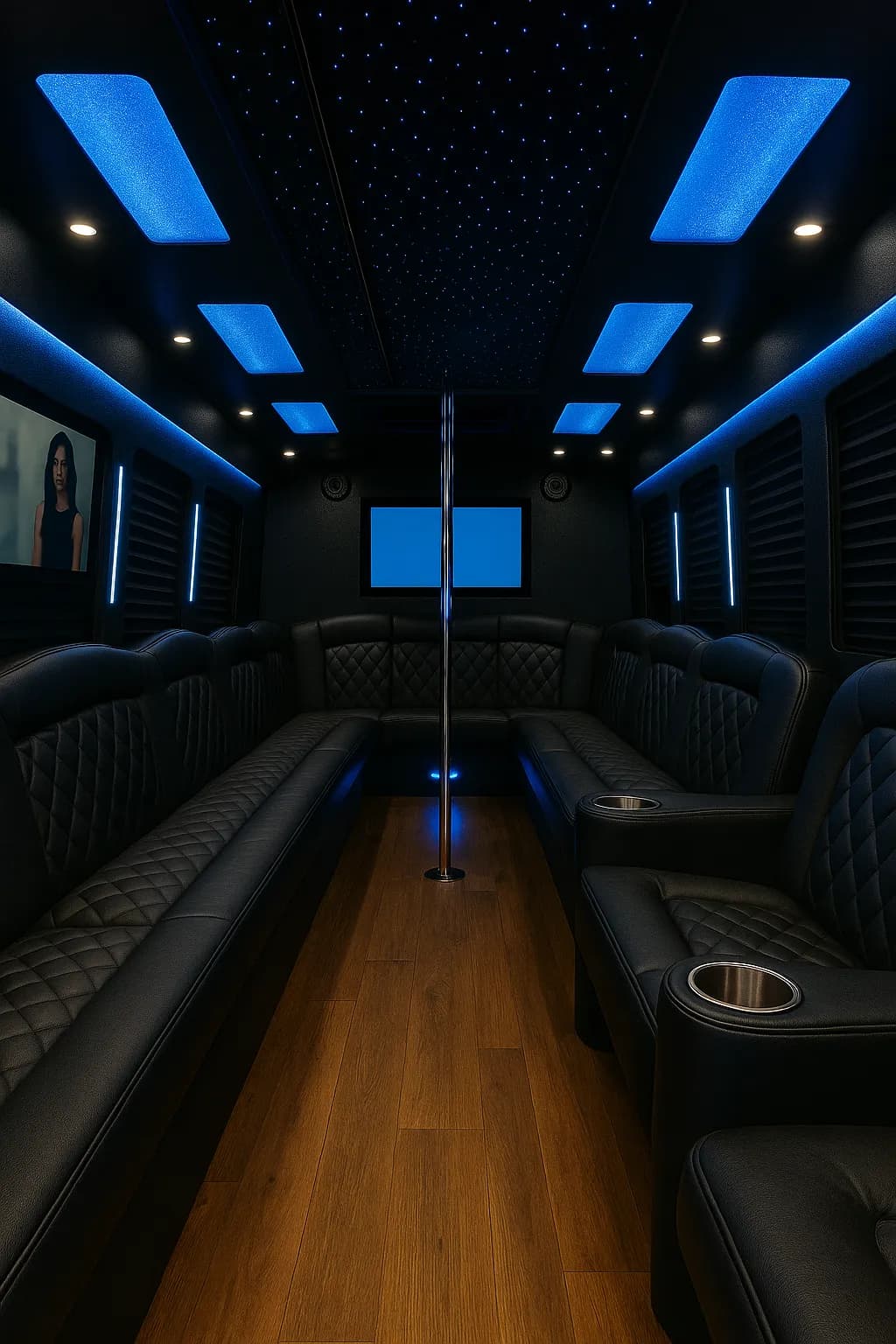
Capacity: 26 passengers
“The 26 passenger party bus is the prom, homecoming, sweet 16, and quinceañera bus: comfortable for 20 to 22 teens in…”
View Details →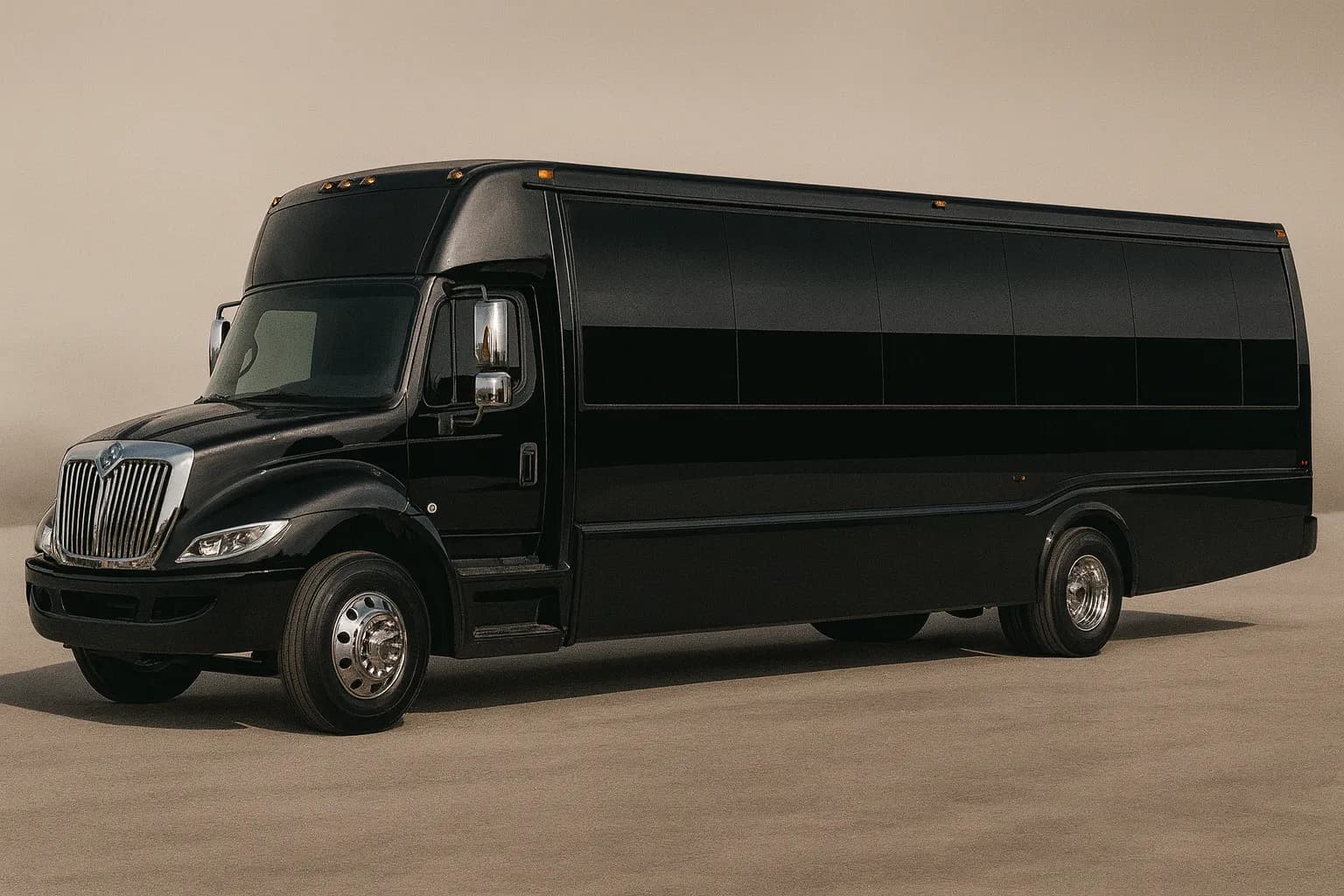
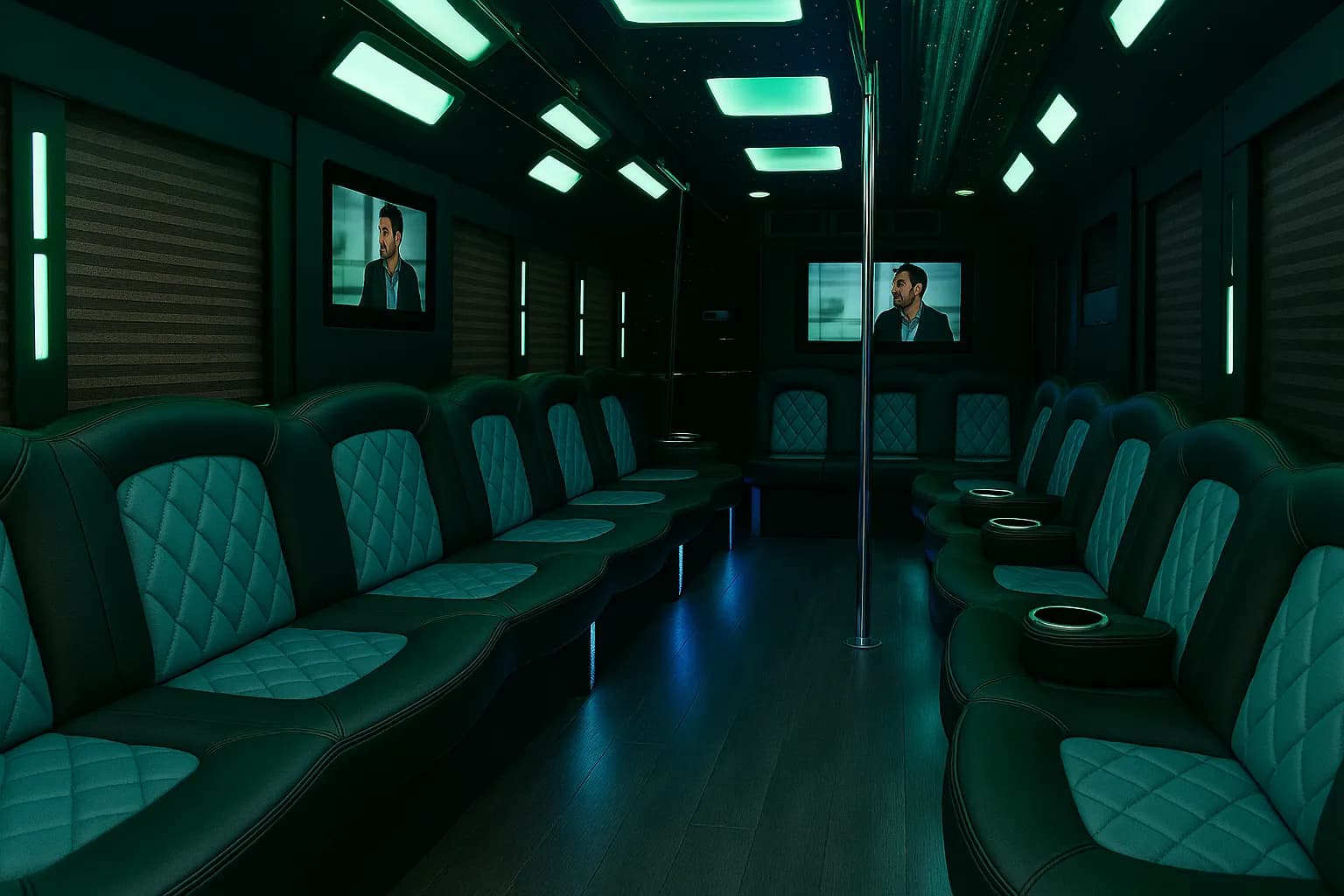
Capacity: 30 passengers
“The 30 passenger party bus is the classic "big bus" for Chicago proms, homecomings, and milestone birthdays.”
View Details →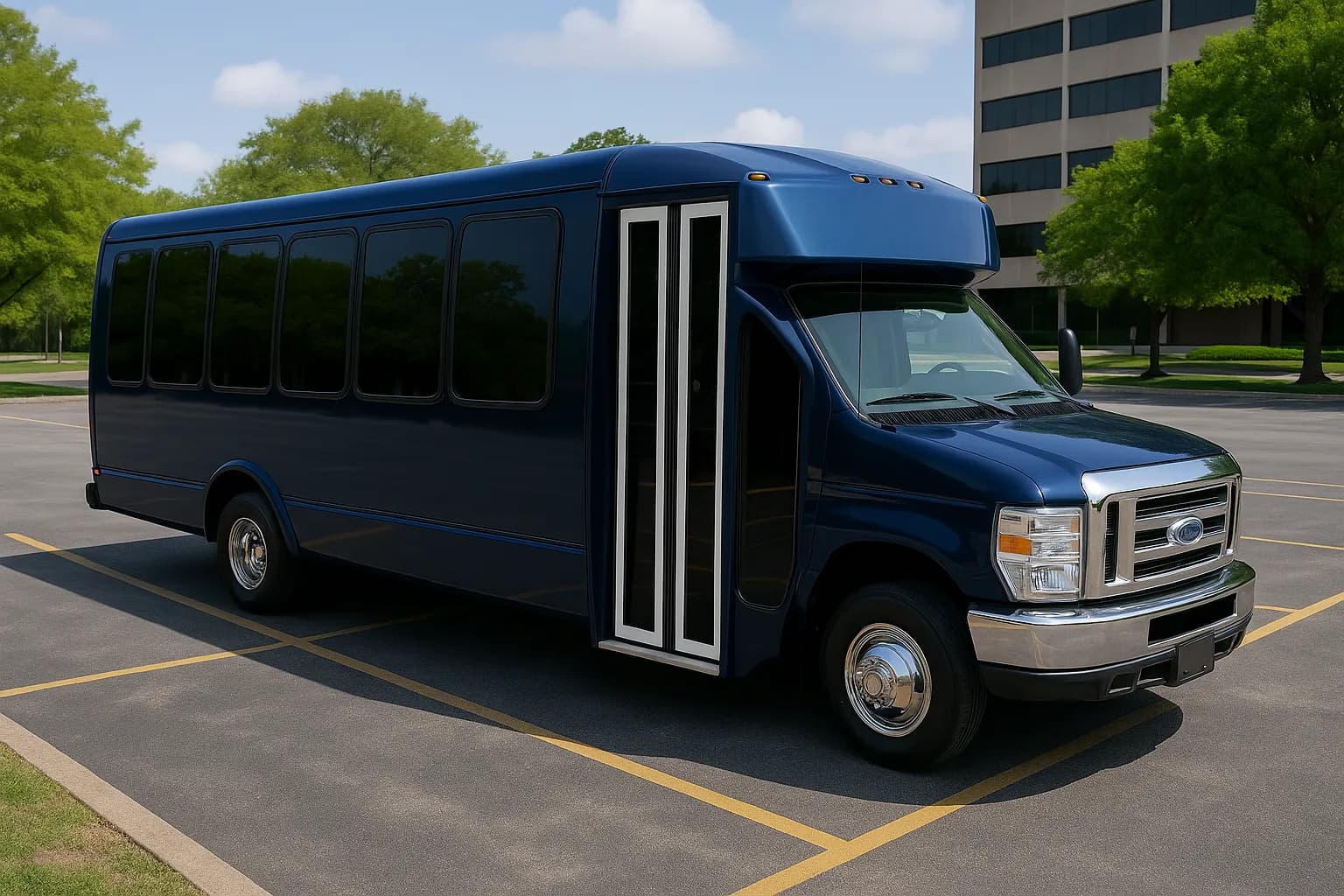
Capacity: 24 passengers
“The 24 passenger party bus is the wedding-party bus: room for 18 to 20 adults in gowns and suits, plus the bouquets,…”
View Details →Party Buses polls
Vote to see how other groups answered. One vote per poll, no sign-up, and nothing personal is stored.
1 vote
1 vote
1 vote
Straight answers for planning a group trip in Chicago
Tell us about your event and ask for a written quote. If your reservation is serviced by an affiliate or sister company, confirm vehicle, operator, base rate, minimum hours, and included charges with that provider before paying a deposit.