Chicago Party Bus Fun Team
February 5, 2026 · 12 min read
The Ultimate Chicago Bachelorette Party Guide
She said yes — and now it's time to plan the celebration she deserves. Chicago is one of the top bachelorette party destinations in the country, and for good reason: world-class dining, incredible nightlife, stunning views, and enough variety to match any bride's personality. The reality is with so much to offer, you want to make every moment count. Here's the rub planning a bachelorette party for a group of 8-20 women across a full day or weekend requires serious coordination. Our approach, this guide covers everything from start to finish.
Step 1: Choose Your Vibe
Every bride is different. Match the bachelorette to her personality:
- The Glam Bride — Gold Coast cocktail bars, rooftop lounges, spa treatments, fine dining
- The Party Girl — River North dance clubs, VIP bottle service, late-night energy
- The Chill Bride — Wine bars, brunch spots, cooking classes, comedy shows
- The Adventurous Bride — Brewery crawls, food tours, kayaking, unique experiences
- The Classic Bride — Elegant dinner, classy cocktails, Magnificent Mile shopping

Party bus events across Chicagoland
Step 2: Plan Your Itinerary
Daytime Options: - Bottomless brunch at Beatnik West Town, Aba, or The Hampton Social - Spa treatments at Aire Ancient Baths, Exhale, or KOHLER Waters Spa - Shopping on Michigan Avenue and in Gold Coast boutiques - Sip & Paint at Bottle & Bottega - Drag brunch at venues throughout Boystown
Evening Options: - Dinner at Girl and the Goat, Aba, or RPM Italian - Cocktails at The Signature Room, Cindy's, or Three Dots and a Dash - Dancing at Studio Paris, Prysm, or Sound-Bar - Live music at Kingston Mines or House of Blues
Need a Quote? It Takes 30 Seconds
Tell us your date, group size, and pickup city. We'll handle the rest.
Step 3: Decorations & Themes
Popular Chicago Bachelorette Themes: - "Last Fling Before the Ring" — Classic and fun - "Chicago She-nanigans" — City-themed with Chicago puns - "Nash Bash / Bach Bash / Chi-Town Bash" — Destination-themed - Matching outfits, sashes, and custom accessories
What to Bring for the Party Bus: - Banners and decorations (tape-friendly, no glitter!) - Sashes and veils - Custom playlist - Champagne and mixers - Photo props - Gift bags


Chicago Polls
Loading polls...
Party Bus Planning Tools
Use these tools to find the right vehicle and plan your event
🚌 Vehicle Finder
Enter your group size and we'll recommend the perfect vehicle.
Select a group size above to see our recommendation
📅 Event Planner
Get recommendations on timing, routes, and vehicle selection.
Select an event type above to see planning tips
⏱️ Duration Guide
How many hours should you book? Plan the right duration for your trip.
Select your number of stops above to see our recommendation
Step 4: Transportation
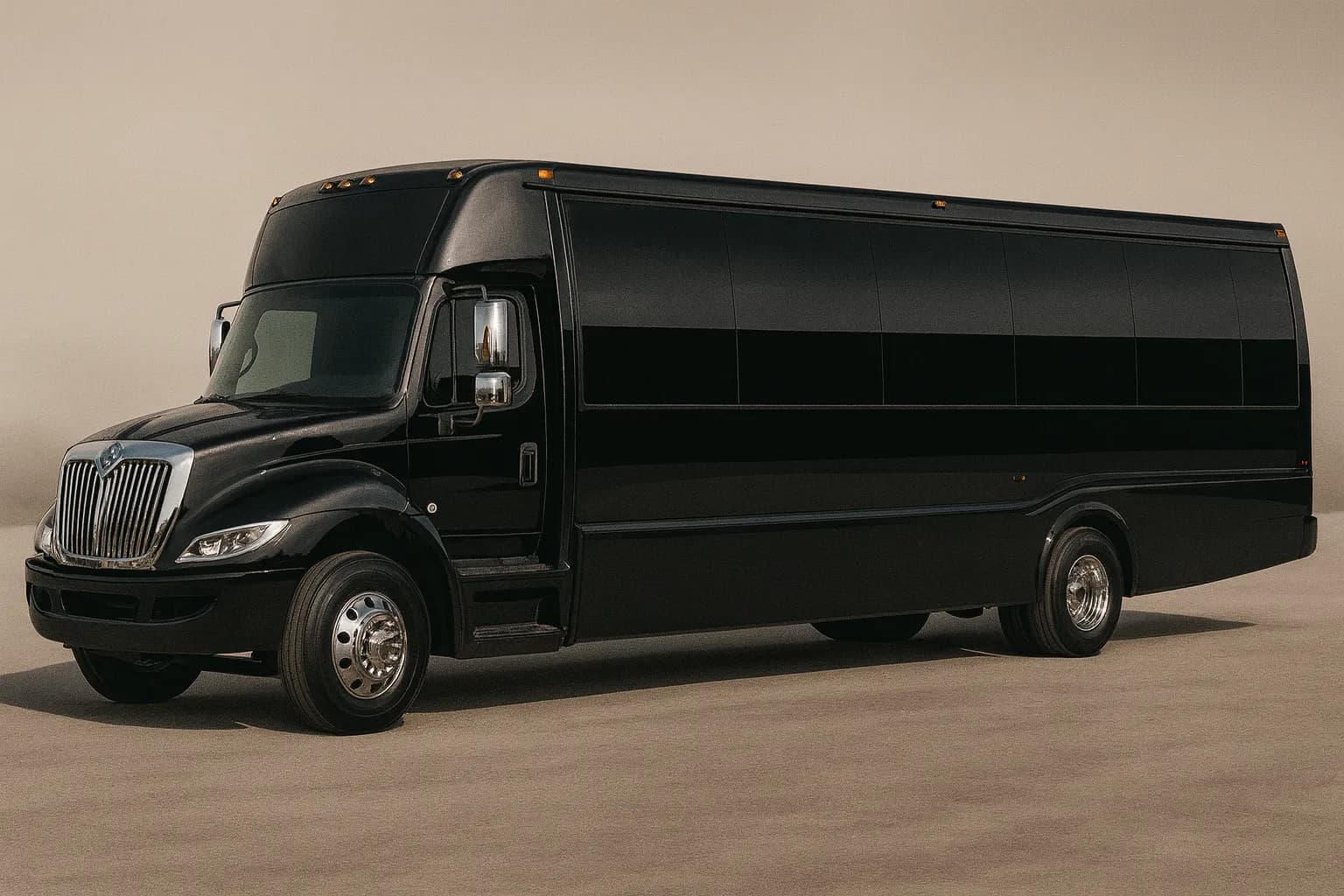
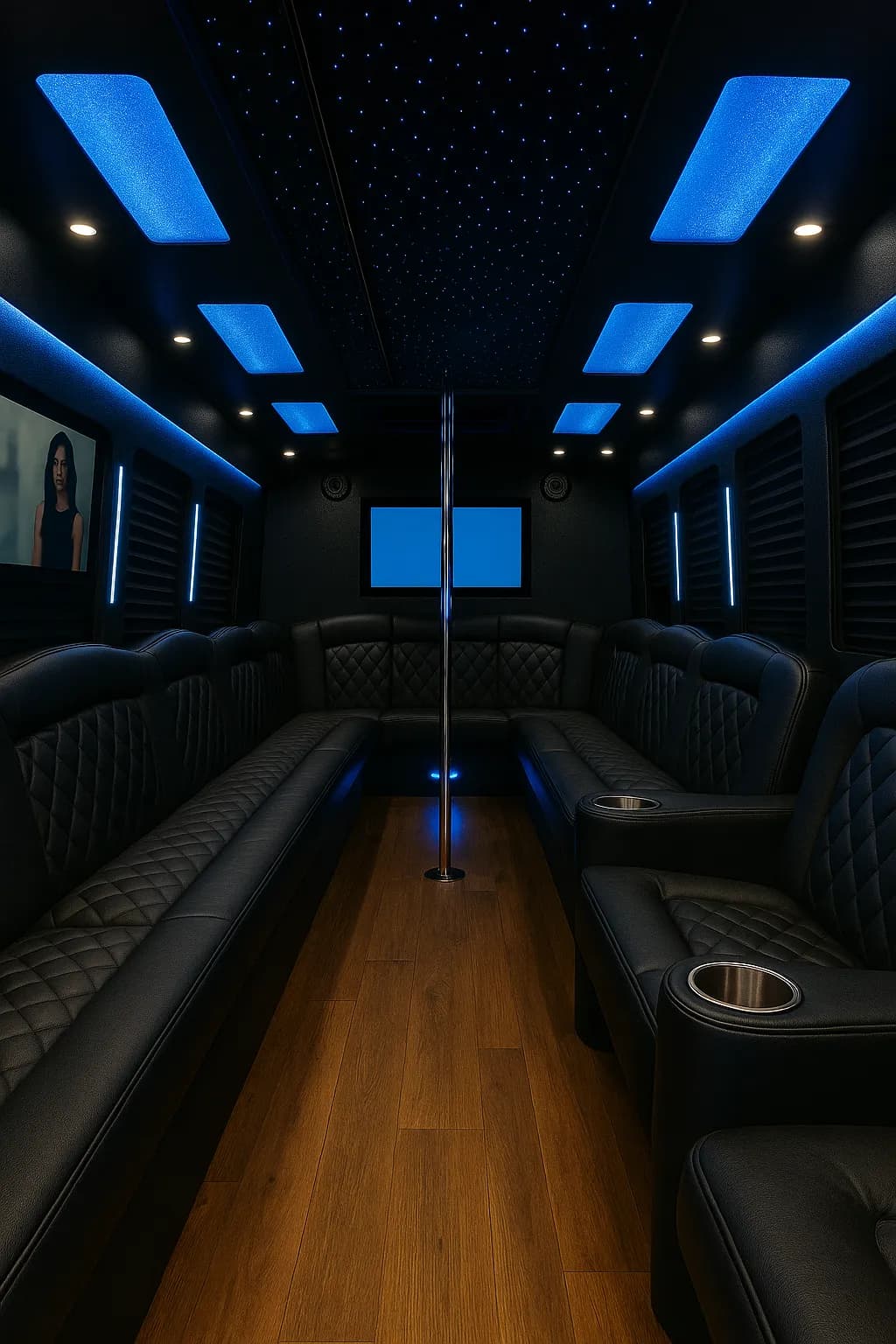
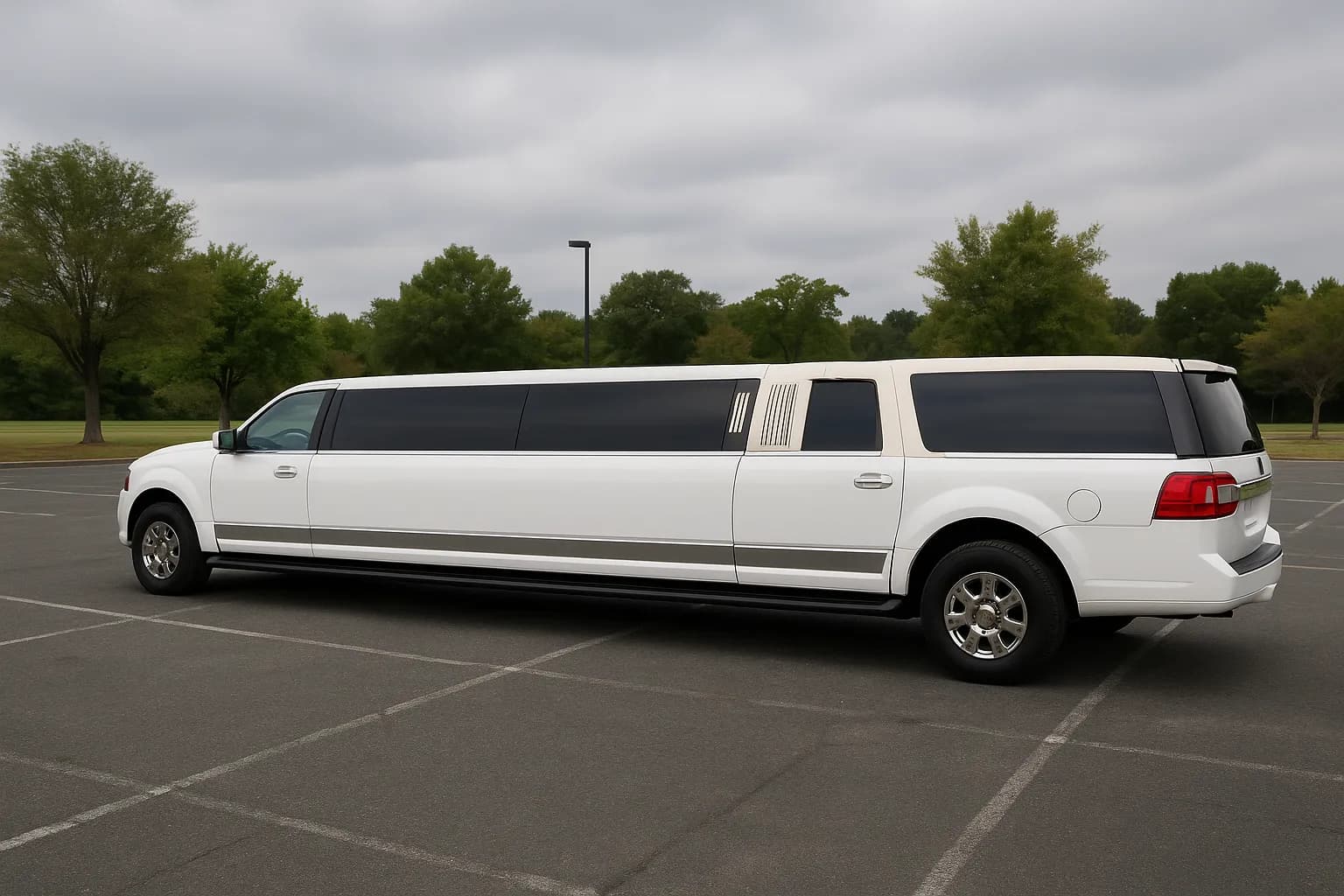
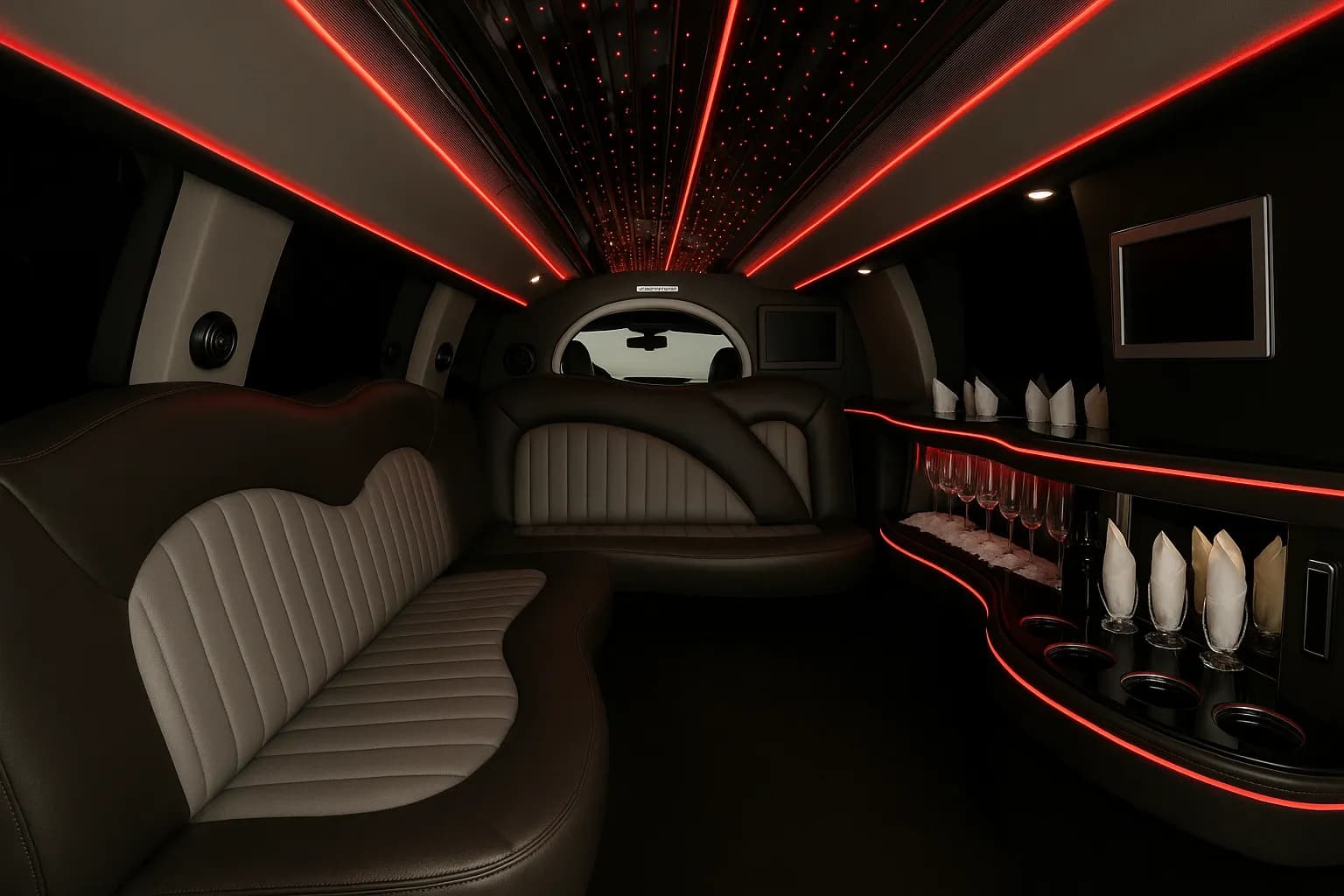
The party bus is the thread that ties everything together. No lost bridesmaids, no surge-priced rides, no waiting in the cold. Everyone stays together, looking fabulous, with music, drinks, and LED lights setting the mood between every stop.
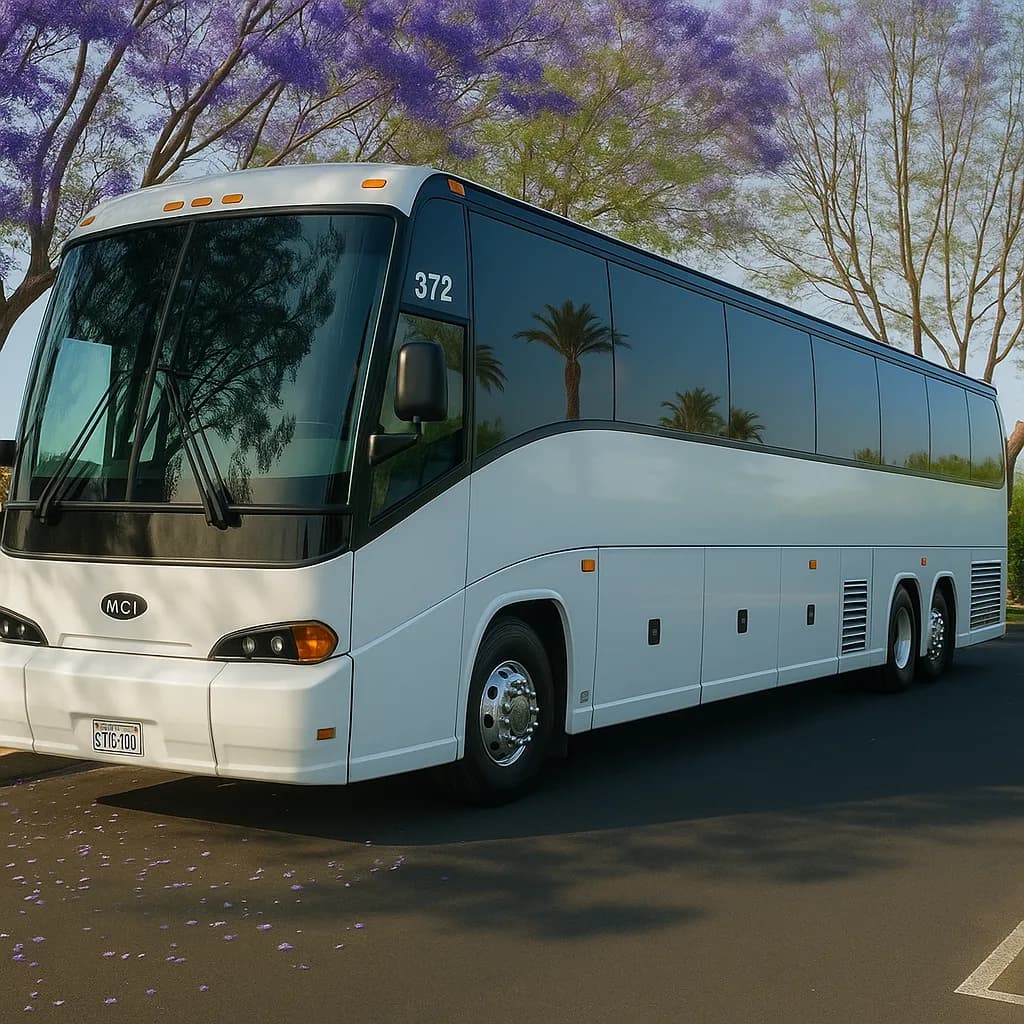
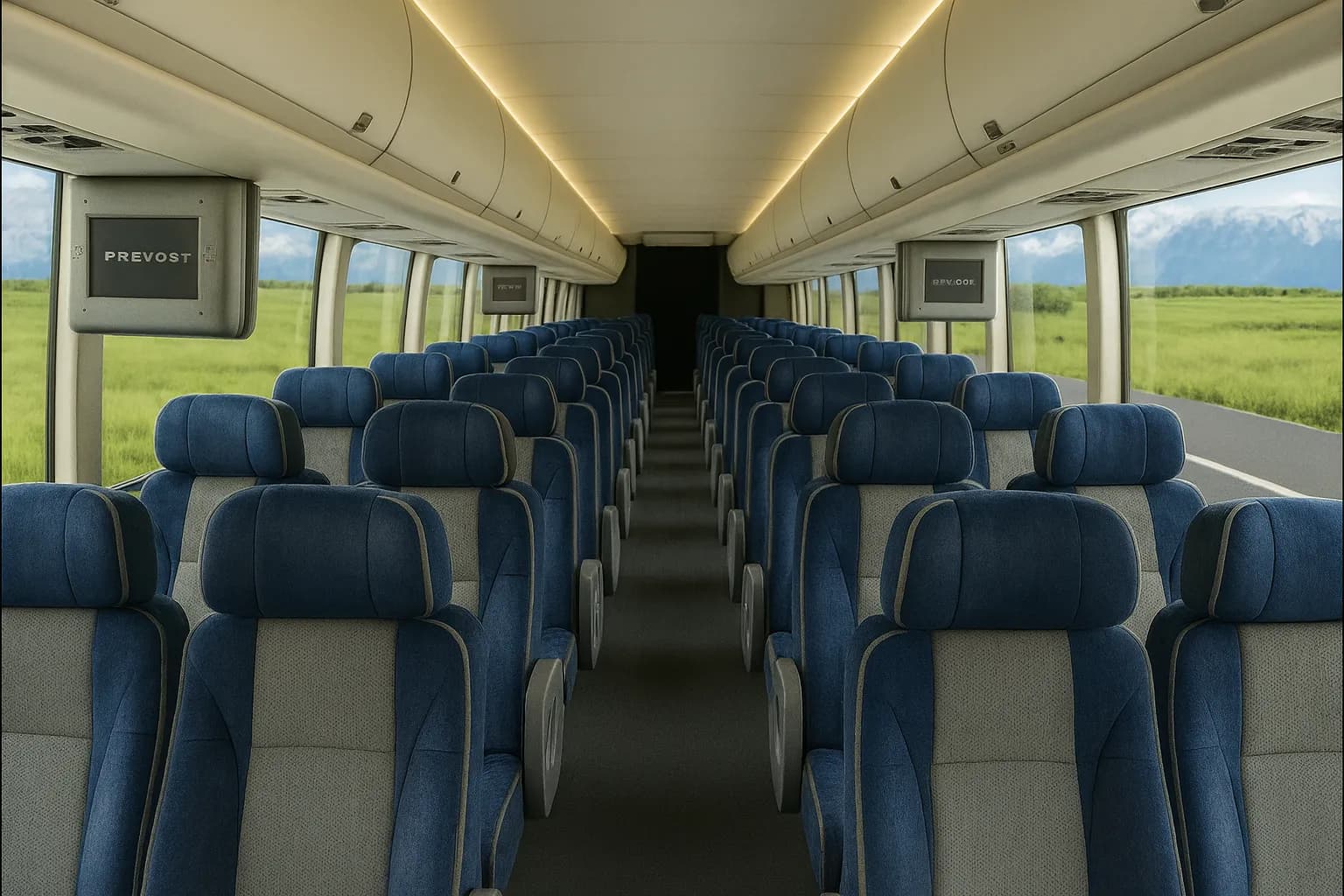
Recommended Bus Sizes: - 8-12 bridesmaids: 20-passenger party bus - 12-20 bridesmaids: 25-passenger party bus - 20+ guests: 30-passenger party bus
Helpful Resources
Step 5: Budget Tips
- Book transportation early for best rates
- Consider a Thursday or Friday instead of Saturday
- BYOB on the party bus saves vs. buying at every venue
- Book restaurant reservations well in advance (especially for large groups)
- Assign costs clearly to avoid awkward money conversations

Making memories across Chicago
Step 6: Photo Opportunities
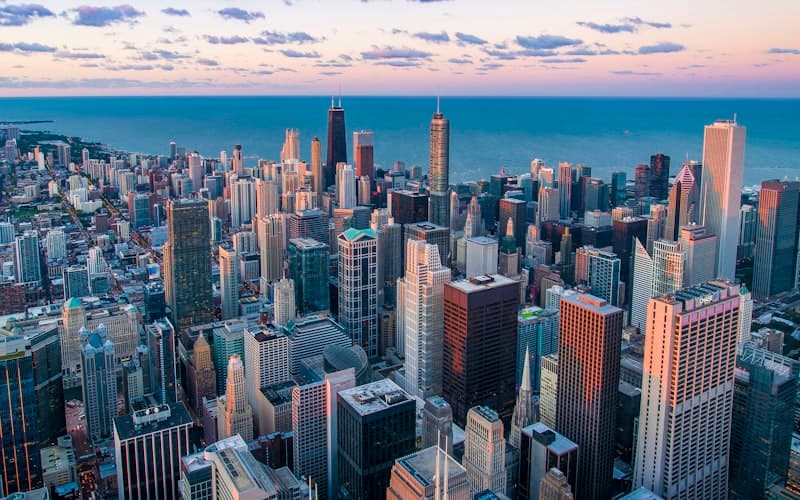
Chicago Instagram spots for bachelorette photos: - The Bean at Millennium Park - Chicago Riverwalk - Museum Campus with skyline backdrop - Murals in Wicker Park and Pilsen - The party bus interior (LED lights make incredible photos!)
Ready to Book Your Chicago Party Bus?
Whether you're planning a bachelor party, birthday celebration, or corporate outing — we've got the perfect vehicle for your group.